
For many years, Chinese vehicle production focused primarily on the domestic market. Competition unfolded largely within China, where German and Japanese companies competed with local manufacturers, while exports remained limited.
In recent years, this has changed. Brands such as BYD, Geely, SAIC, and Chery have entered a growing number of overseas markets, including Europe, Southeast Asia, Latin America, and the Middle East, and have entered at price points below those of established competitors, accelerating their visibility and adoption.
In 2025, China exported 2.62 million new energy vehicles—a 100 percent increase over the previous year—while total vehicle exports reached 7.1 million units, up 21 percent year-on-year. This rapid growth in exports highlights the scale of China's automotive industry, which produced 34.5 million vehicles in 2025—about one-third of global output—and accounted for about 70 percent of global electric vehicle sales.
In this article, we examine the key structural shifts behind China's rapid automotive expansion. We explore how the move to electric vehicles has reduced traditional entry barriers, enabled manufacturers to draw on strengths in batteries and electronics, and built a unique production system centered on integrated hubs, shared platforms, and faster cycles.
When the Car Changed
For much of the twentieth century, cars were built around engines, transmissions, and mechanical components that developed gradually over decades. These systems required specialized engineering knowledge, extensive testing, and long-standing relationships with suppliers who could manufacture precision parts to exact specifications. The complexity of internal combustion engines, drivetrains, and related mechanical systems created substantial barriers to entry. Companies that mastered these technologies—primarily in Germany, Japan, and the United States—held competitive advantages that accumulated over generations.
Electric vehicles follow different rules. The mechanical systems that defined twentieth-century cars are replaced by batteries, electric motors, electronics, and software. The same basic vehicle structure can support multiple models. As a result, development cycles that typically ran three to four years for combustion-engine cars are reduced to around 12 to 18 months for electric vehicles.
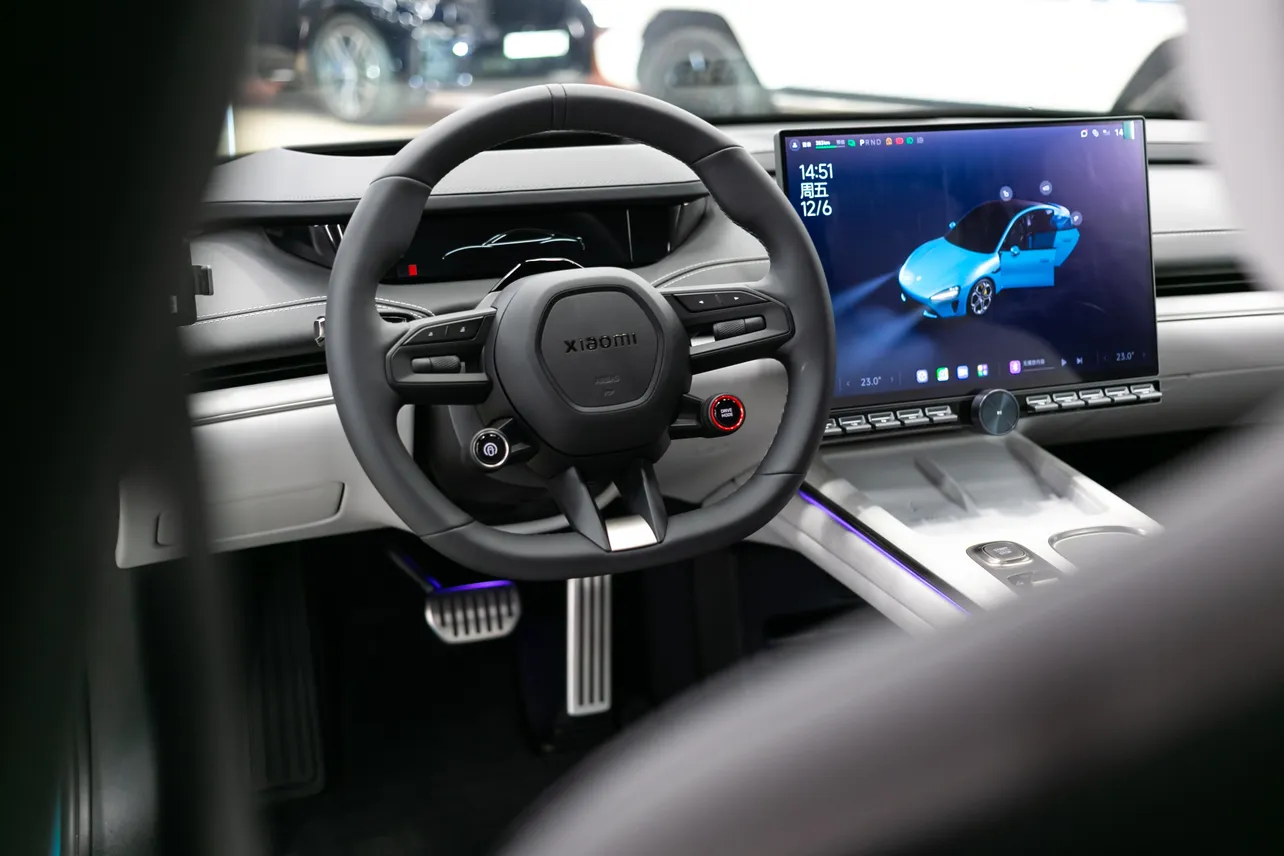
Chinese manufacturers treat electric vehicles as industrial technology products, closer in logic to consumer electronics than to long-cycle mechanical machines, focusing more on electronics, screens, and software features. Models are developed and updated regularly rather than over extended generational timelines.
This view of the vehicle shapes how the industry is organized. Production is planned around standardized cores, frequent updates, and close coordination with suppliers, and it explains why China’s existing battery and electronics industries are directly integrated into vehicle manufacturing rather than operating as separate industrial systems.
Industrial Cities and Production Structure
Electric vehicle production in China is concentrated in several large industrial regions. Each region functions as a dense manufacturing hub, bringing together car assembly plants, battery factories, electronics suppliers, and logistics facilities within a limited geographic area.
The Shanghai region demonstrates how this system works in practice. Tesla's Gigafactory in Shanghai sits within range of multiple battery cell suppliers and electronics manufacturers. SAIC's plants are located in the same industrial corridor, with battery assembly facilities, motor production, and final vehicle assembly all within the same zone. CATL, China's largest battery producer, maintains production and research facilities throughout the region. More than 95 percent of components used at Tesla’s Shanghai plant are sourced locally, enabling deliveries measured in hours rather than days.
Southern China, including Shenzhen and Guangzhou, links electric vehicle makers with firms that also produce smartphones, displays, and power systems. BYD operates across both consumer electronics and vehicle manufacturing from facilities in Shenzhen, using shared supply chains for batteries, screens, and control systems. Central provinces such as Anhui host large assembly operations supported by nearby parts and battery plants.
Battery supply chain integration determines production speed and cost structure. Proximity allows manufacturers to move cells from production lines to vehicle assembly within the same day, reducing handling costs and quality risks. When battery chemistry or cell design changes, adjustments can be tested and implemented across the supply chain within weeks. This integration also affects pricing—shorter transport distances and coordinated production schedules reduce working capital requirements and inventory costs.
One Platform, Many Cars
Large-scale car manufacturing has long relied on shared platforms. Using a common underlying structure allows factories to manage complexity and keep production stable while offering multiple models.
Chinese electric vehicle manufacturers apply this approach more extensively. A small number of platforms are used across a wide range of vehicles, sometimes spanning several brands. In many cases, a single platform supports ten or more models, while batteries, motors, and electronic systems remain largely the same.
This structure allows new vehicles to be introduced without redesigning the core of the car. Exterior styling, interior layout, and software features change, while the underlying platform remains fixed. Industry estimates suggest that platform reuse at this scale can reduce development costs and shorten the time required to bring new models to market.
Production lines benefit from this consistency. Factories continue operating without major retooling as output shifts between models, supporting steady volume and frequent product updates.
Cars as Finished Products
Electric cars produced in China are typically sold as complete products rather than highly customized builds. Buyers choose from a limited number of fixed versions, with options often restricted to features such as color or interior trim.
This sales model aligns with how vehicles are produced. Fixed versions allow manufacturers to plan output precisely, keep production running at a steady pace, and reduce costs. A substantial portion of vehicles are sold to fleet buyers such as ride-hailing services, delivery firms, and corporate operators, where consistency, uniform interior and exterior design, and predictability are highly valued.
Model cycles are shorter than in traditional car markets. Vehicles are updated or replaced more frequently, reflecting a production rhythm closer to consumer electronics than to earlier generations of automobiles.
Conclusion
Electric vehicles reduced the importance of mechanical engineering expertise that defined traditional automotive manufacturing. Chinese manufacturers built production around batteries, electronics, and software—capabilities drawn from existing consumer electronics and industrial equipment sectors.
This shift enabled a specific production model. Regional hubs concentrate battery plants, electronics suppliers, and vehicle assembly within limited geographic areas. Battery cells move from production to vehicle assembly within hours. Platform structures support multiple models using shared components. Fixed product versions and shorter model cycles align with fleet buyers and markets prioritizing cost over customization.
The approach fits segments where price, availability, and regular updates matter more than brand history or complex service networks. It suits markets where electric vehicle adoption is developing and buyers emphasize practicality. In these environments, the combination of industrial integration, platform efficiency, and continuous production supports expansion into new regions.
Traditional manufacturers face competition not simply from Chinese exports, but from a production system organized differently—one that treats vehicles as industrial technology products built in integrated manufacturing zones rather than as mechanical systems developed over extended cycles.