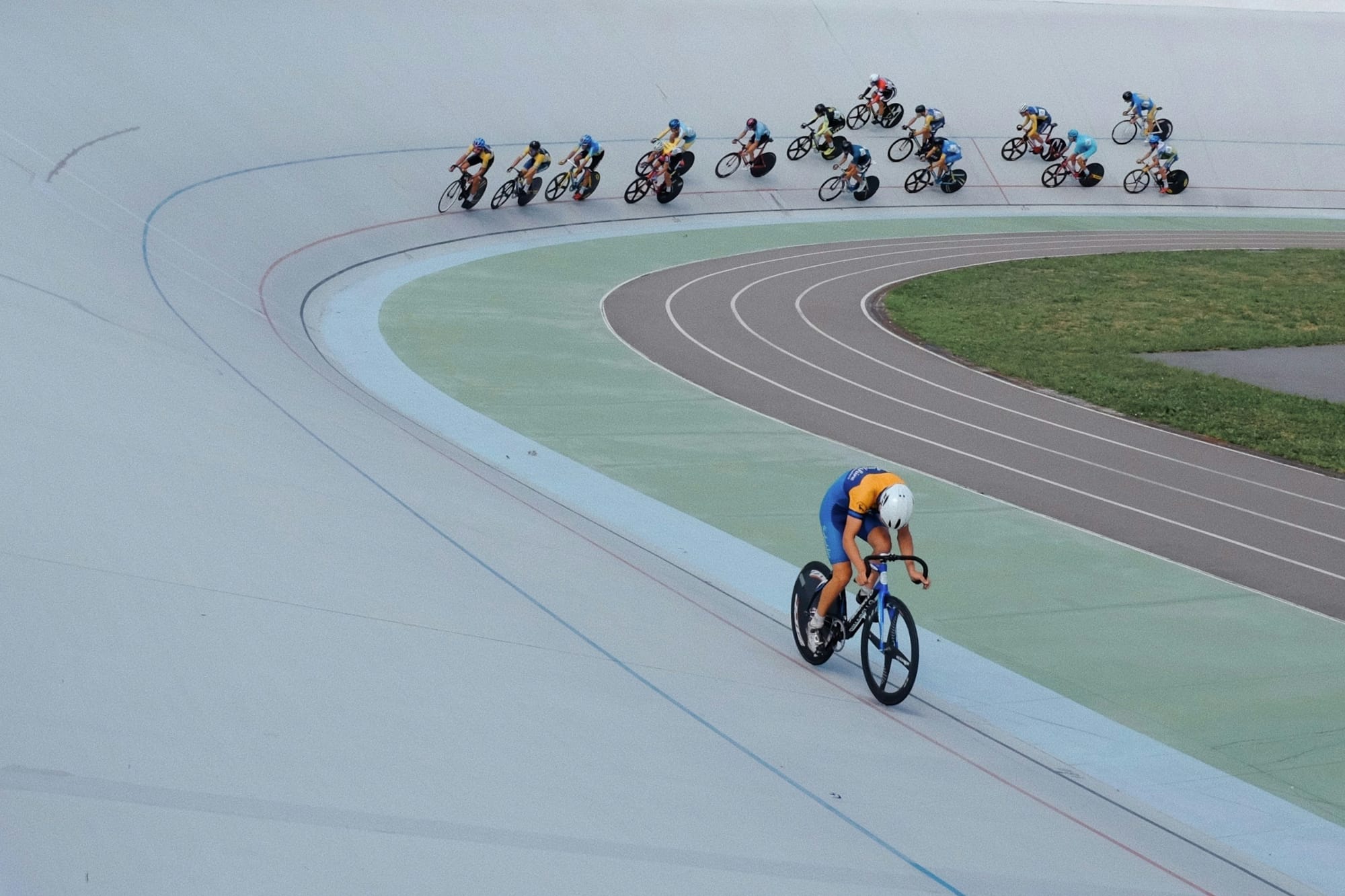
The Concept of Friction- Planning, Execution and Performance
Yours Magazine · 18 Jul 2026 · 3 min read
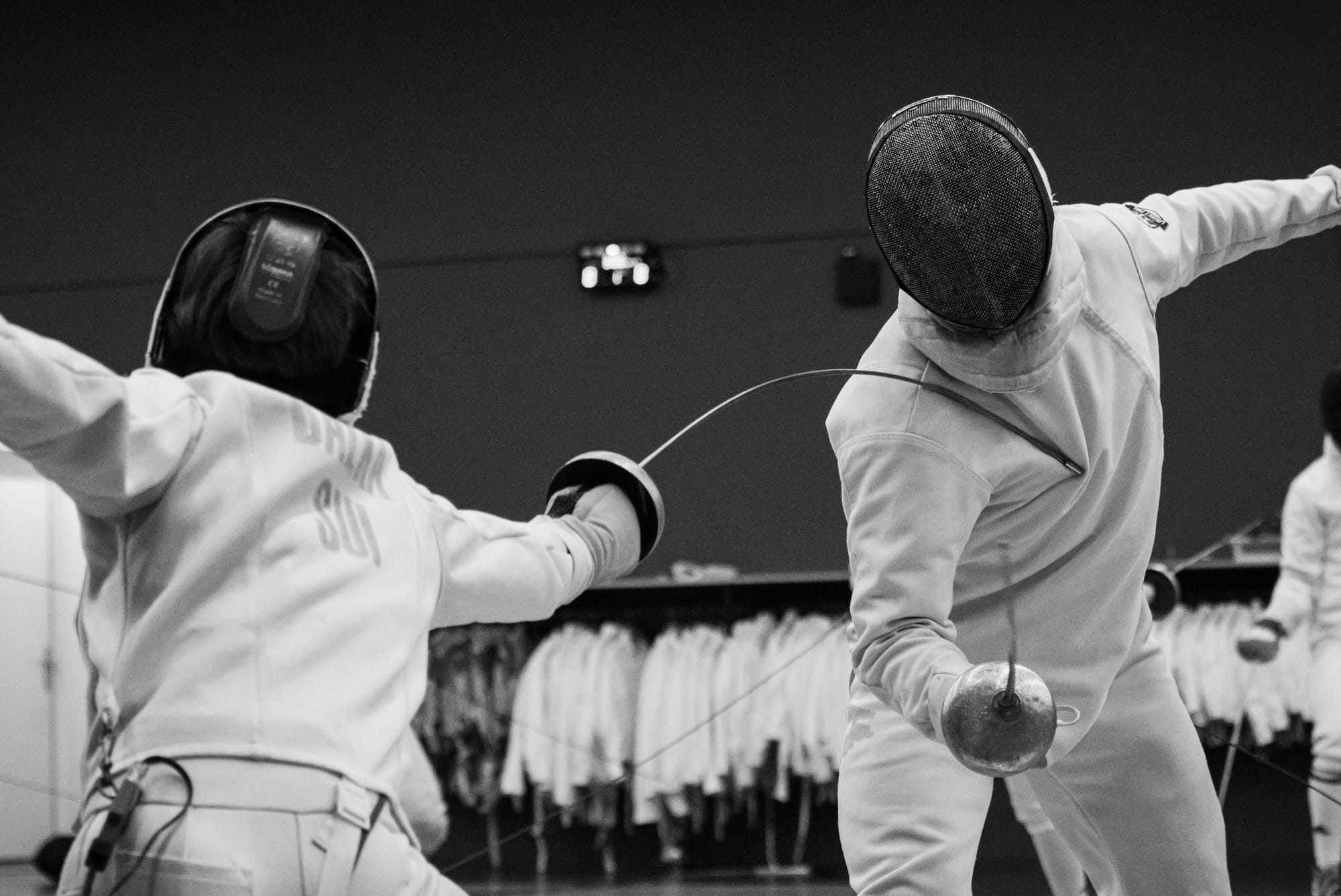
Plans may appear straightforward on paper, but once they are put into action, conditions begin to change. Unexpected events arise, people react, and circumstances evolve.
In the 19th century, the Prussian military theorist Carl von Clausewitz described this resistance—the gap between planning and reality—as friction.
This article examines what Clausewitz meant by friction, how the concept can be observed in business and sport, and how research in psychology may help explain why recognising different unexpected events simply as friction can be useful in practice.
What Is Friction?
Friction is a term from physics. It describes the resistance that occurs when two surfaces move against each other.
In the book On War, the Prussian military theorist Carl von Clausewitz adopted the term to describe a different kind of resistance. Rather than physical contact, he used friction to explain why execution differs from planning. Countless small events—including misunderstandings, delays, physical exhaustion, uncertainty and chance—create a constant form of resistance that makes even well-prepared plans more difficult to carry out.
More than a century later, former heavyweight boxing champion Mike Tyson expressed the same idea in much simpler terms:
"Everybody has a plan until they get punched in the mouth."
Although spoken about boxing, the quote reflects the same principle: execution introduces uncertainty that planning alone cannot fully anticipate.
Rather than searching for a way to eliminate friction, Clausewitz argued that it should be expected. The challenge was not to create perfect conditions, but to continue operating despite the resistance that emerges during execution.
Today, the concept of friction continues to form part of professional military education. Institutions such as the U.S. Army War College and the National War College study Clausewitz's work to prepare officers for the uncertainty encountered during real-world operations.
Friction in Business and Sport
Any activity that involves planning, execution and changing conditions can experience friction. For that reason, the concept can also be observed in fields such as business and sport.
Business
An employee may spend several days preparing a detailed plan for an important presentation. The expectation is to arrive at the office on time, prepare the meeting and deliver the presentation to a handful of colleagues.
Reality, however, unfolds differently. Sleep is poor, the morning becomes rushed, traffic causes delays, technical problems arise and, by the time the presentation begins, the audience has grown from a handful of colleagues to the CEO, senior management and members of the board.
The original objective has not changed, but the conditions have.
Sports and Combat Sports
A fighter may spend weeks preparing for a competition. Training, recovery and strategy are carefully planned in advance.
Reality, however, unfolds differently than expected. Delays change the schedule, the warm-up does not go as planned, communication with the coach becomes more difficult, fatigue develops, the opponent adapts and the contest takes a different direction than originally anticipated.
Preparation and visualisation can help shape performance, but they cannot eliminate the uncertainty that emerges once competition begins.
These examples show that friction is not limited to military operations and can emerge across very different professional environments.
Research in psychology may help explain why recognising these different events simply as friction can be useful in practice.
Applying Friction
One practical way of applying the concept of friction is to recognise unexpected events simply as friction.
When an athlete enters an arena, the crowd may be cheering, booing, or remaining silent. Each reaction can easily become another distraction that requires interpretation and mental effort.
By labelling the crowd's reaction as friction from the beginning, the performer no longer needs to analyse what it means or how to respond to it. It is simply friction—an expected part of the environment. This frees attention to return to the original objective instead of being drawn into unnecessary interpretation. The practical situation does not change. The crowd may still cheer, boo, or remain silent. What changes is how the performer processes the event: as one expected category of friction rather than a series of separate distractions that first have to be interpreted.
Research in psychology may help explain this approach. Studies on categorisation show that labels help organise information into meaningful mental categories, while research on cognitive load and attention suggests that reducing unnecessary interpretation can help preserve attentional resources. Similar principles also appear in performance psychology, where athletes are encouraged to recognise distractions as expected parts of competition rather than allowing them to disrupt focus.
Conclusion
Clausewitz described friction as the resistance that appears once a plan meets reality. More than 180 years later, the concept remains relevant because the relationship between planning and execution has changed very little. Whether in military operations, business or sport, unexpected events continue to shape the conditions under which decisions have to be made.
Friction cannot be eliminated, but it can be expected. Recognising that reality will rarely follow the original plan shifts the focus away from creating perfect conditions and towards continuing to operate under the conditions that actually exist.
Viewed in this way, friction is more than a military concept. It provides a framework for understanding why execution becomes difficult and one possible approach to dealing with the unexpected once reality begins to diverge from the original plan.