
Automotive Development — Technology, Design and Product Purpose
Yours Magazine · 1 Jun 2026 · 3 min read
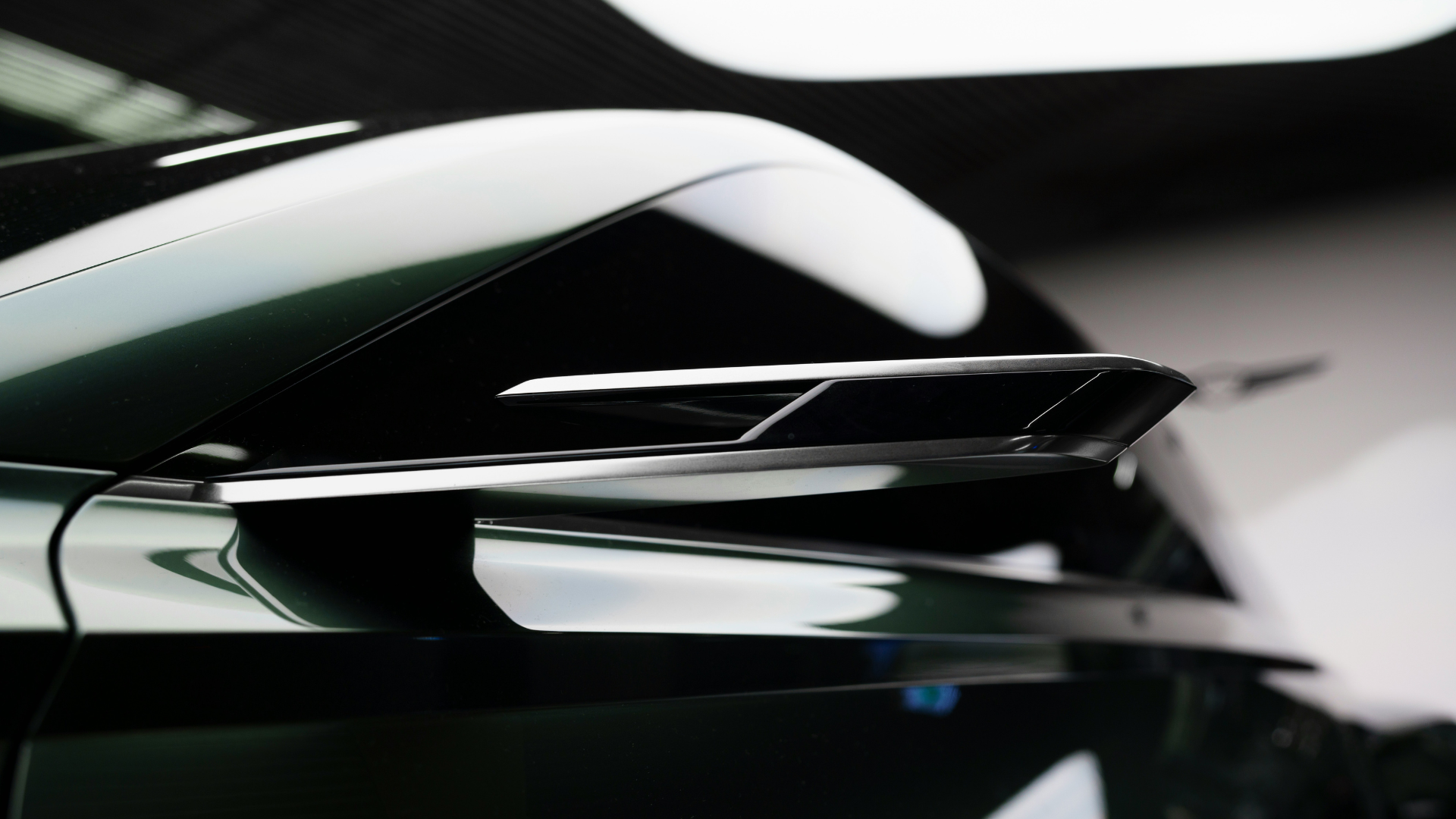
Several manufacturers including Mercedes, Renault, and Ferrari have recently introduced new vehicles to the market. Despite using similar underlying technologies, many of these vehicles arrived with very different designs and product identities.
Throughout automotive history, manufacturers have regularly incorporated new technologies into their vehicles. In many cases, those technologies were adopted to improve a specific aspect of the vehicle while the broader character of the product remained largely unchanged.
Technology and Product Development
Ferrari presented the Luce differently. The company argued that the electric drivetrain required a different approach to design.
Historically, sports car manufacturers had adopted new technologies in service of the same core objective: improving performance. New materials, transmissions, aerodynamic solutions, and hybrid systems were adopted because they offered a competitive advantage. Design then adapted to support the new function. This could include larger air intakes for cooling, aerodynamic devices to improve stability, or bodywork changes needed to accommodate new components.
Some of these developments generated debate among customers and enthusiasts. The transition from manual gearboxes to paddle-shift transmissions is one example. Many drivers preferred the traditional driving experience offered by a manual gearbox. Yet paddle-shift systems delivered clear performance advantages and eventually became widely adopted across the sports car industry.
This pattern is not limited to sports car manufacturers. Across the broader automotive industry, new technologies are not always adopted for performance reasons. Some are introduced to improve comfort, efficiency, driving range, or everyday usability.
Those different objectives often lead to different technical requirements, which in turn influence the final design of the vehicle.
Electric Vehicles and Design
Electric vehicles provide a useful example of how different objectives can influence vehicle design.
Manufacturers such as Tesla, BYD, and Mercedes often develop electric vehicles around efficiency, driving range, and everyday usability. Models such as the Tesla Model 3, Tesla Model Y, and BYD Seal use aerodynamic shapes, smooth surfaces, and vehicle proportions that support those objectives.
The Mercedes EQS, for example, was developed around the distinctive "one-bow" design. The shape reduces aerodynamic drag while creating a spacious interior and a more upright seating position. Without a large combustion engine at the front of the vehicle, designers have greater flexibility to optimise airflow and range.
Performance-oriented vehicles are developed around a different set of priorities. Cooling, stability, downforce, and vehicle control become increasingly important. These requirements influence both the engineering and design of the vehicle.
Vehicles such as the Lotus Evija, Rimac Nevera, and the newly released Renault 5 Turbo 3E follow this approach. Large air intakes, aerodynamic channels, wings, diffusers, and active aerodynamic systems are not primarily design features. They are used to manage airflow, cool components, generate downforce, and maintain stability at high speeds.
The EV technology may be similar, but the objective is different. As a result, the design follows a different set of requirements.
Design Language
Technical requirements explain part of a vehicle's design. They do not explain every design decision.
Once the basic technical requirements of a product are established, manufacturers still decide how those requirements are expressed in the final vehicle. Some choose to integrate new technologies into an existing design language. Others use them as an opportunity to introduce a new visual direction.
An electric drivetrain, for example, may influence packaging, proportions, cooling requirements, and aerodynamics. It does not automatically require a minimalist, futuristic, or science-fiction-inspired appearance. These remain design choices.
As a result, discussions around new products are often not only about the technology itself, but also about how that technology is incorporated into the broader identity of the Brand.
How manufacturers navigate these decisions will vary. Some will treat new technologies as tools in service of an established identity. Others will use them as a reason to redefine what the brand represents. Neither approach is inherently right or wrong — but the choice is rarely just a technical one.