
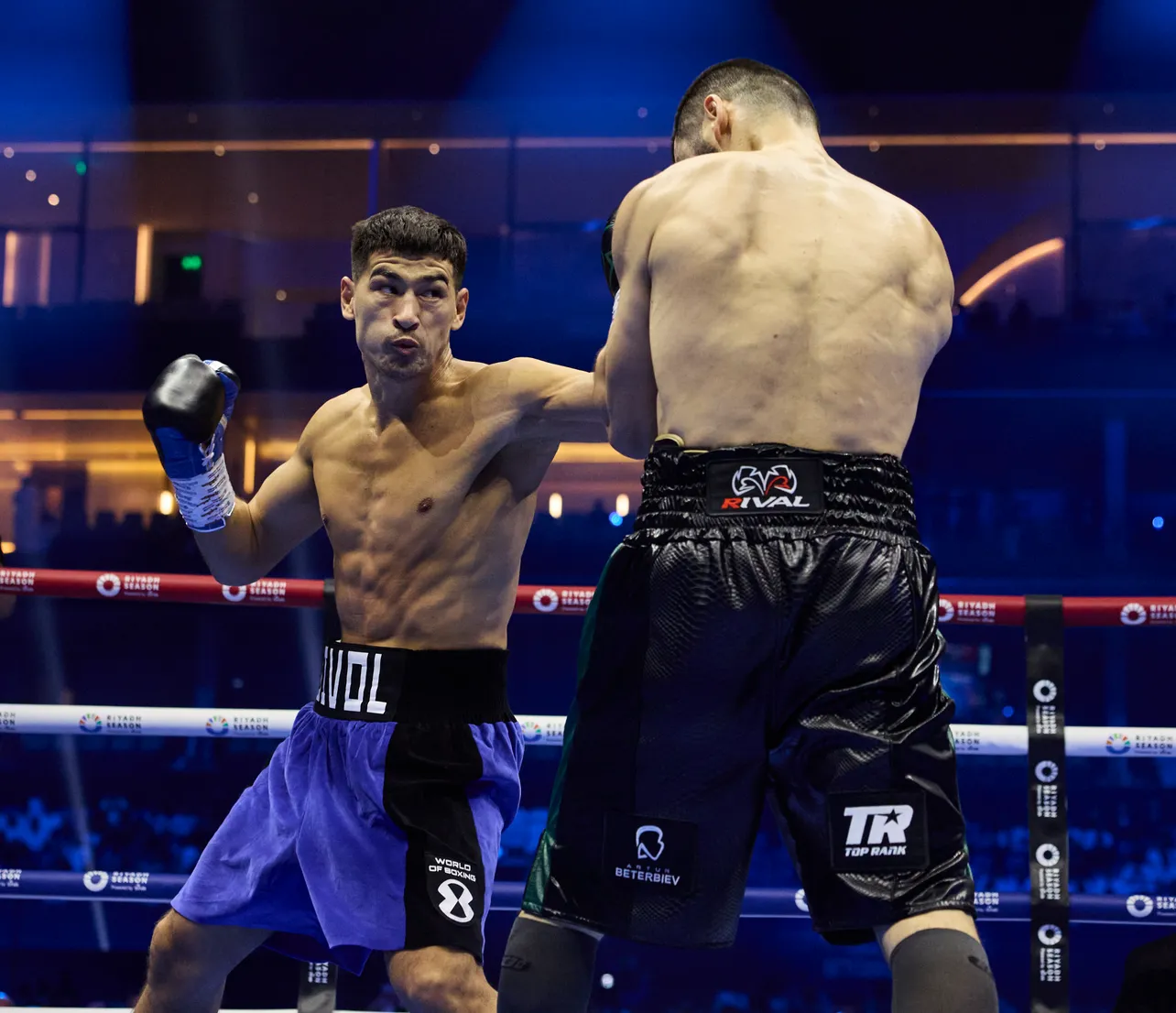
Dmitry Bivol is the current world light-heavyweight champion, holding the WBA, IBF, and WBO titles. He briefly held all four major world titles in 2025 before voluntarily giving one up.
He was born in Tokmok, in today’s Kyrgyzstan, in 1990 and started boxing as a child. His family later moved to Russia, where he entered the national amateur structure and began competing regularly at junior and youth level.
During this period, Bivol secured two junior world titles, earned a bronze medal at the 2008 AIBA Youth World Championships, and won the Russian national championships in 2012 and 2014 in the light-heavyweight division. His amateur record stands at 268–15, showing a lengthy career in the system before going pro.
These results placed him among the leading light-heavyweights of his age group and formed the base for his move into the paid ranks.
Professional entry
Bivol made his professional debut in late 2014 and stayed with long-time coach Gennady Mashyanov, who had already guided him through key stages of his amateur career. Their camps are built around a familiar structure: pad work, bag work, technical drills, and conditioning, with changes in intensity rather than in the basic layout.
In an interview on his style, Bivol described his base as “like Soviet Union style,” explaining that all of his coaches had added details to a foundation built on movement and discipline. He highlighted footwork, relaxed shoulders, and constant mobility as core elements carried from his amateur education into his professional work.
He mentioned that he was not sure if he could compete with his style in pro boxing, as it is a style more common in amateur boxing. After visiting the U.S. with a friend and sparring with professionals, he was convinced that he wanted to take this step.
Fighting Style
Bivol’s style is built around distance control. He boxes mainly at mid-range, using short steps to manage space and initiate exchanges on his terms. The jab sets rhythm, measures distance, and establishes the tempo of the fight.
His offense is based on straight, compact punches. He throws quickly from a balanced stance, without wide swings or exaggerated shifts in weight. After each exchange, he tends to step off-line or back into range rather than stay in one place, forcing opponents to reset before they can respond.
Defensively, he relies on positioning and small adjustments. Guard changes, head movement, and footwork are used together to limit clean targets. There is little unnecessary motion. Footwork adjusts only as needed; punch selection remains narrow and direct. The overall picture is one of control — managing space, shots, and rhythm through simple, repeatable mechanics.
Consistency at Championship Level
Bivol’s rise has been defined by consistency rather than sudden changes in style. He captured the WBA light-heavyweight title and defended it repeatedly, including wins over Isaac Chilemba, Jean Pascal, Joe Smith Jr., and others.
In May 2022 he faced Canelo Álvarez in Las Vegas, defending his WBA (Super) title. Bivol won by unanimous decision over twelve rounds. CompuBox data recorded that he threw more punches per round and landed significantly more total shots, including both jabs and power punches. Later that year he defeated Gilberto Ramírez, again over twelve rounds, to retain the title.
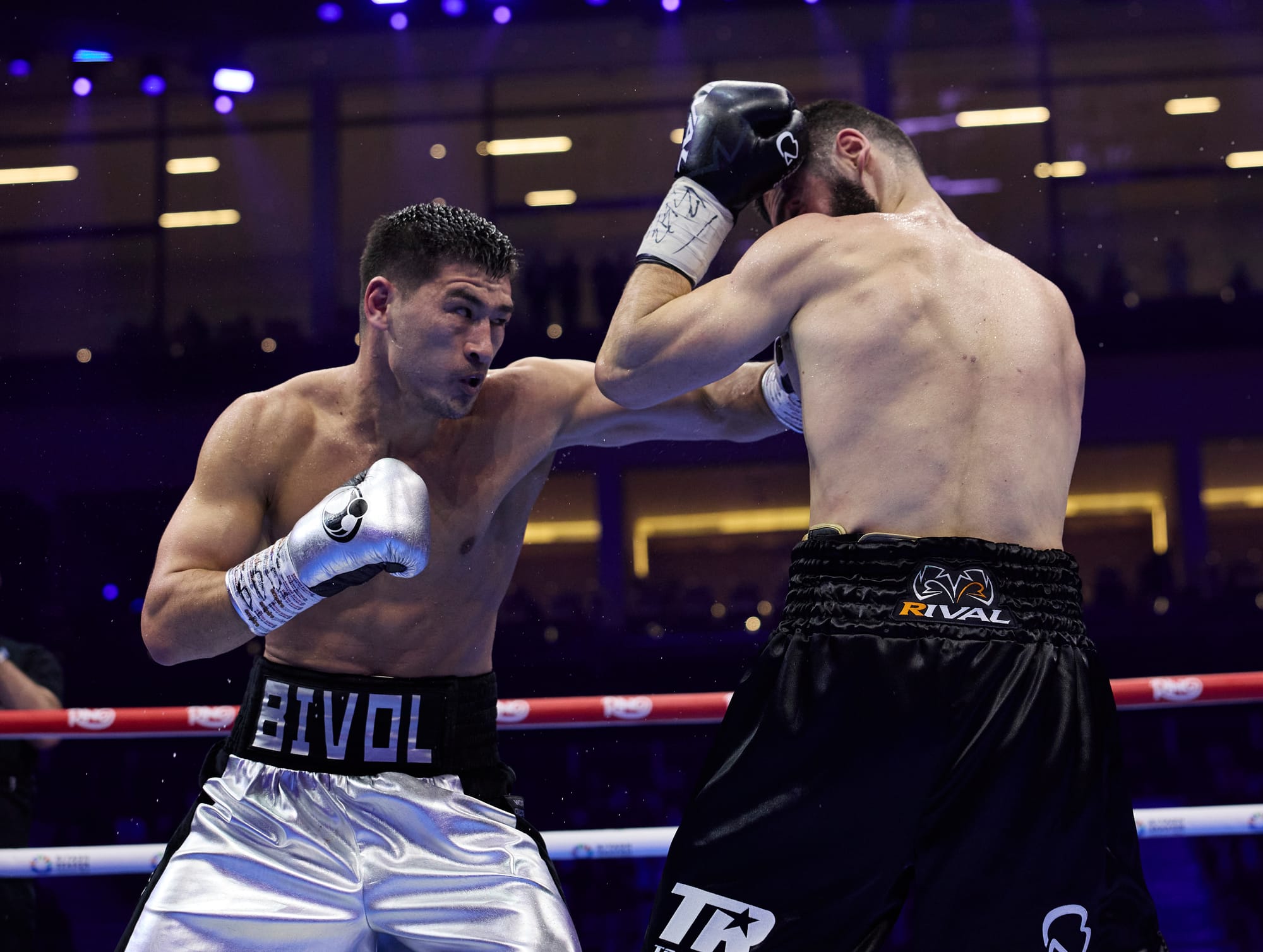
He continued to defend at the top level, adding the IBO belt with a win over Lyndon Arthur in 2023, before entering a two-fight series with Artur Beterbiev. In February 2025 he won a majority decision in their rematch to become the undisputed light-heavyweight champion in the four-belt era.
Across these bouts, his approach remains similar: steady output, controlled movement, and disciplined shot selection over the full distance. He also mentioned that discipline is the hardest aspect of being a professional.
Repetition as Method
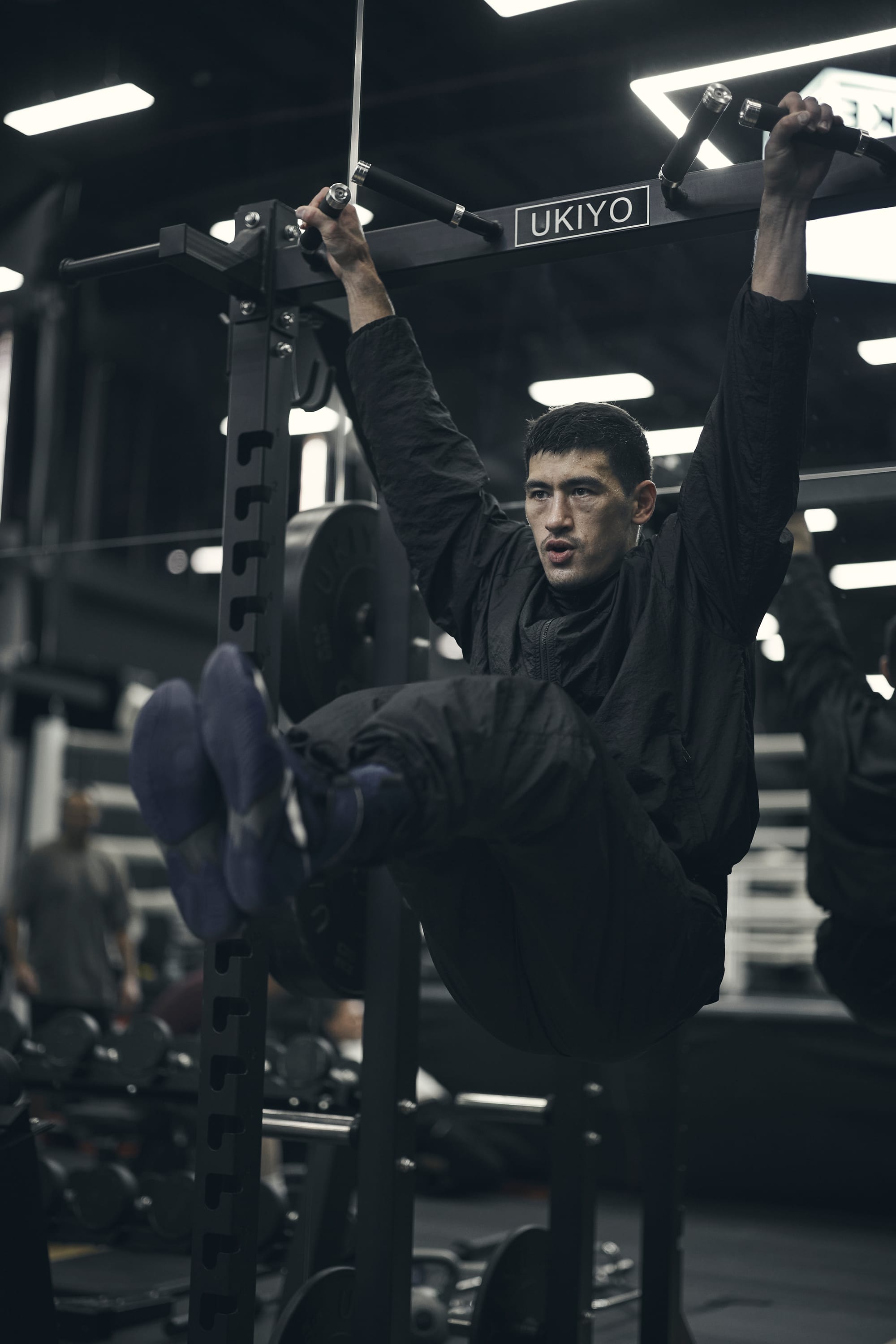
Training for these fights follows a predictable rhythm. Camps are built around repeated technical work on pads and bags, combined with sparring and conditioning. The focus is on maintaining the same quality of movement and punch mechanics throughout the session, rather than introducing large variations from one day to the next.
Interviews around his major fights consistently show Bivol speaking about routine, structure, and day-to-day work. He has said that he prefers to understand each exercise, what it is designed to achieve, and checks whether he is performing it correctly.
The repetition aims at stability. The movements used in the ring are the movements trained in the gym, performed in the same order until they become reliable under normal fight conditions.
Endurance Through Structure
Bivol’s system is his own — a distance-based style shaped around movement, accuracy, and defensive responsibility. Some light-heavyweights rely on pressure, others on power or counter-punching volume. His approach centers on keeping shape over twelve rounds.
His record suggests that endurance, in his case, comes from structure as much as physical conditioning. The same mechanics are used from the opening rounds to the closing ones. Whether facing a pressure fighter or a counter-puncher, the framework remains similar: manage distance, control rhythm, and maintain technical discipline from start to finish.