
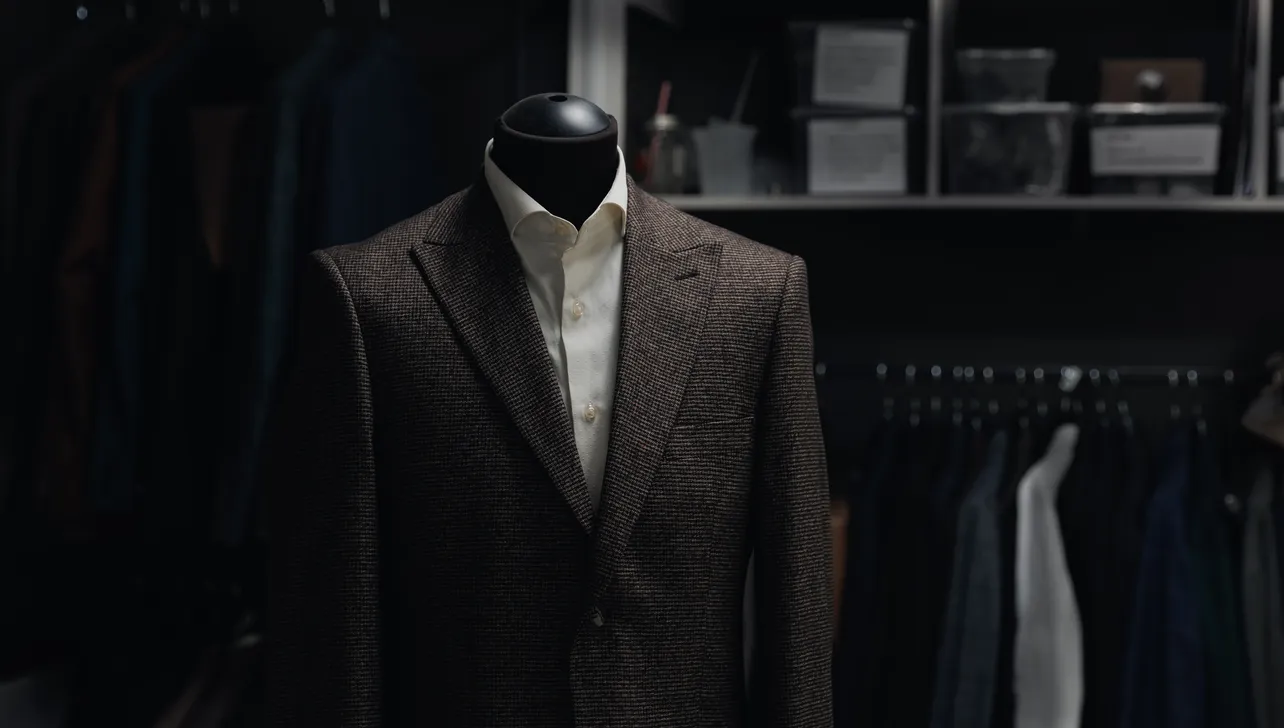
Tailoring has developed distinct centers across the world — Milan, Naples, Hong Kong, and others — each shaped by its own traditions of cut and construction.
In London, that tradition is concentrated on one single street in Mayfair- The Savile Row.
This article looks at how Savile Row developed, the characteristics of British tailoring, and the main houses located on the street, as well as what they offer.
What Is Savile Row and how did it start
Savile Row is a short street in London’s Mayfair district, known for the tailoring houses that settled there from the late eighteenth century. This houses served military officers, court officials and professionals who required structured, formal clothing.
Over time, the Row became a hub where bespoke tailoring — drafting a personal pattern and shaping a garment through fittings — stayed the main method even as industrial clothing transformed the larger market.
Today, Savile Row is one of the few places where bespoke tailoring is still practiced in concentrated form. The houses share a common craft foundation, but each interprets it differently, giving the street a mix of heritage, signature house styles and individual philosophies.
What Defines British Tailoring
British tailoring is known for structure, balance and a clean, consistent line. While each house applies its own proportions, several characteristics appear across the tradition.
Shoulder Line: A clear, structured shoulder that gives the jacket its shape.
Chest and Front: A firm chest that helps the jacket stay steady and hold a consistent look while moving.
Waist and Overall Shape: A controlled, shaped waist that creates the classic straight-through British outline.
Trousers: Straight, stable lines with a medium rise — built for balance rather than a loose or flowing look.
Fabric Choice: Traditional cloths such as worsted wool and flannel, chosen because they support structure.
Within this shared approach, Savile Row tailors follow two main interpretations:
- Structured / Military-Influenced: a sharper shoulder and a more defined, firm silhouette.
- Softer / Drape-Influenced: the same British structure, but with slightly easier lines for greater comfort.
Both remain part of the same tradition: a suit built to stay composed, clean, and steady.
The Houses — Identities and Signatures
Savile Row is defined by its tailoring houses. Each one has a distinct identity shaped by history, clientele and method. For many clients, choosing a house is as much about personality and lifestyle as it is about the suit itself.
Huntsman — Sharp and Structured
Huntsman is known for a strong single-button silhouette, a clean shoulder line, and a shaped waist. The style is precise and architectural, suited to clients who prefer a firm, clearly defined structure.
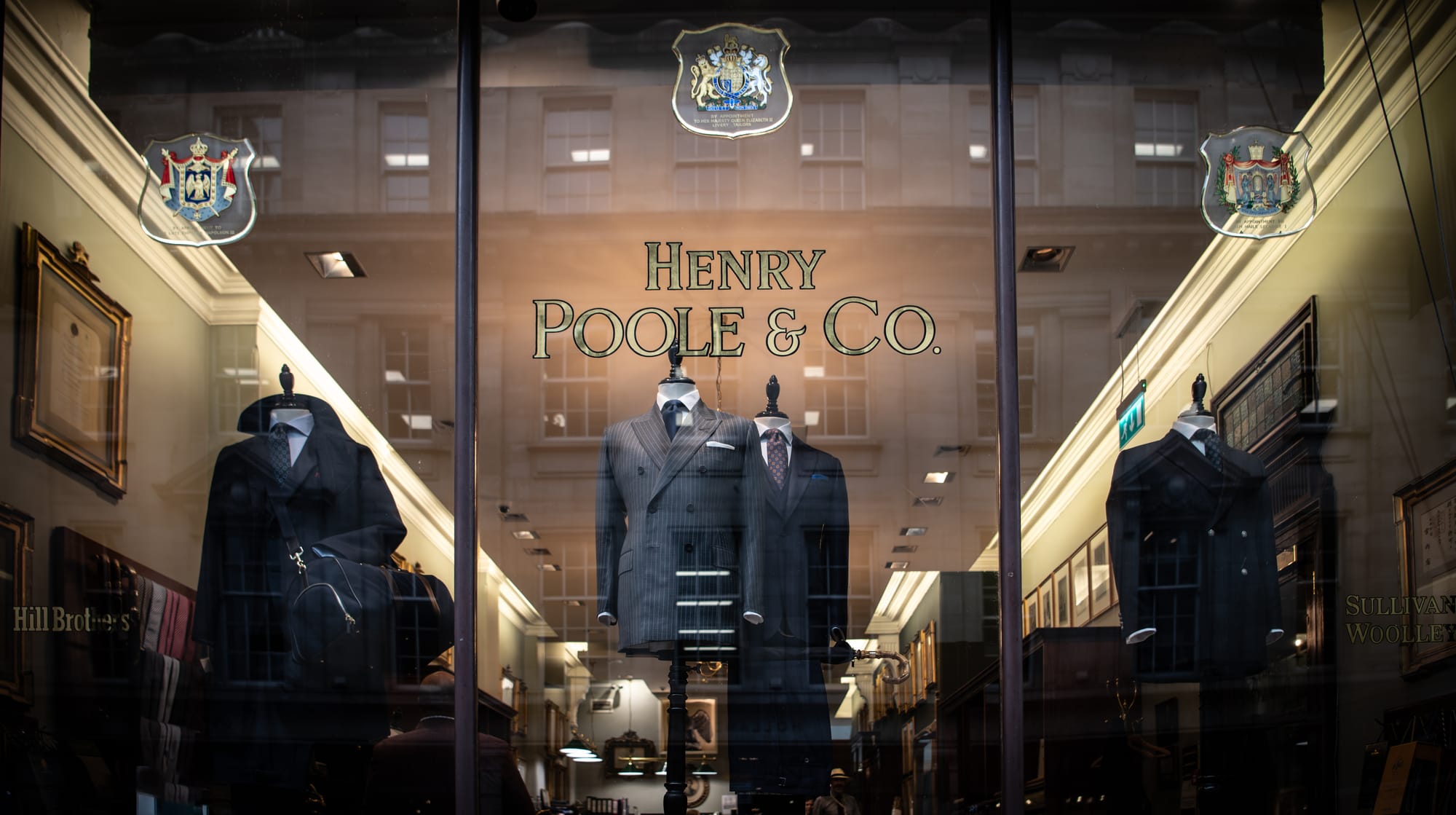
Henry Poole — Classic British Formalwear
Henry Poole, one of the earliest houses on the Row, is closely associated with formalwear. Its aesthetic is traditional, balanced, and consistent — a good fit for clients who want a stable, timeless British silhouette.
Anderson & Sheppard — Soft, Comfortable Line
Anderson & Sheppard is linked to the “soft” approach: a fuller chest, a gentler shoulder, and natural movement through the upper body. The result is comfortable and fluid without losing overall shape.
Gieves & Hawkes — Military Heritage
Gieves & Hawkes carries a long military lineage. Its tailoring reflects that background with controlled structure, sharp lines, and a disciplined, upright silhouette.
Richard James and the Modern Houses
Newer firms such as Thom Sweeney and Cad & The Dandy use traditional bespoke methods but apply them to more modern proportions. They keep the craft foundation while introducing a contemporary look — lighter shoulder work, cleaner lines, and fabrics that match today’s more relaxed style of dress.
The examples above illustrate the range—from structured to soft, from traditional to modern—but they are only a few of what Savile Row has to offer. While some houses emphasise full bespoke, most now blend it with made-to-measure and ready-to-wear to suit broader clients, from global travellers to local professionals.
How Savile Row Tailoring Works — Methods, Craft and Costs
Savile Row tailoring is built around three main methods: bespoke, made-to-measure, and ready-to-wear.
Each house offers its own combination of these, and some focus exclusively on bespoke. The differences come from how the pattern is created, how the garment is shaped, how many fittings are involved and how much handwork goes into each stage.
Bespoke — The Full Craft
Bespoke is the method Savile Row is known for.
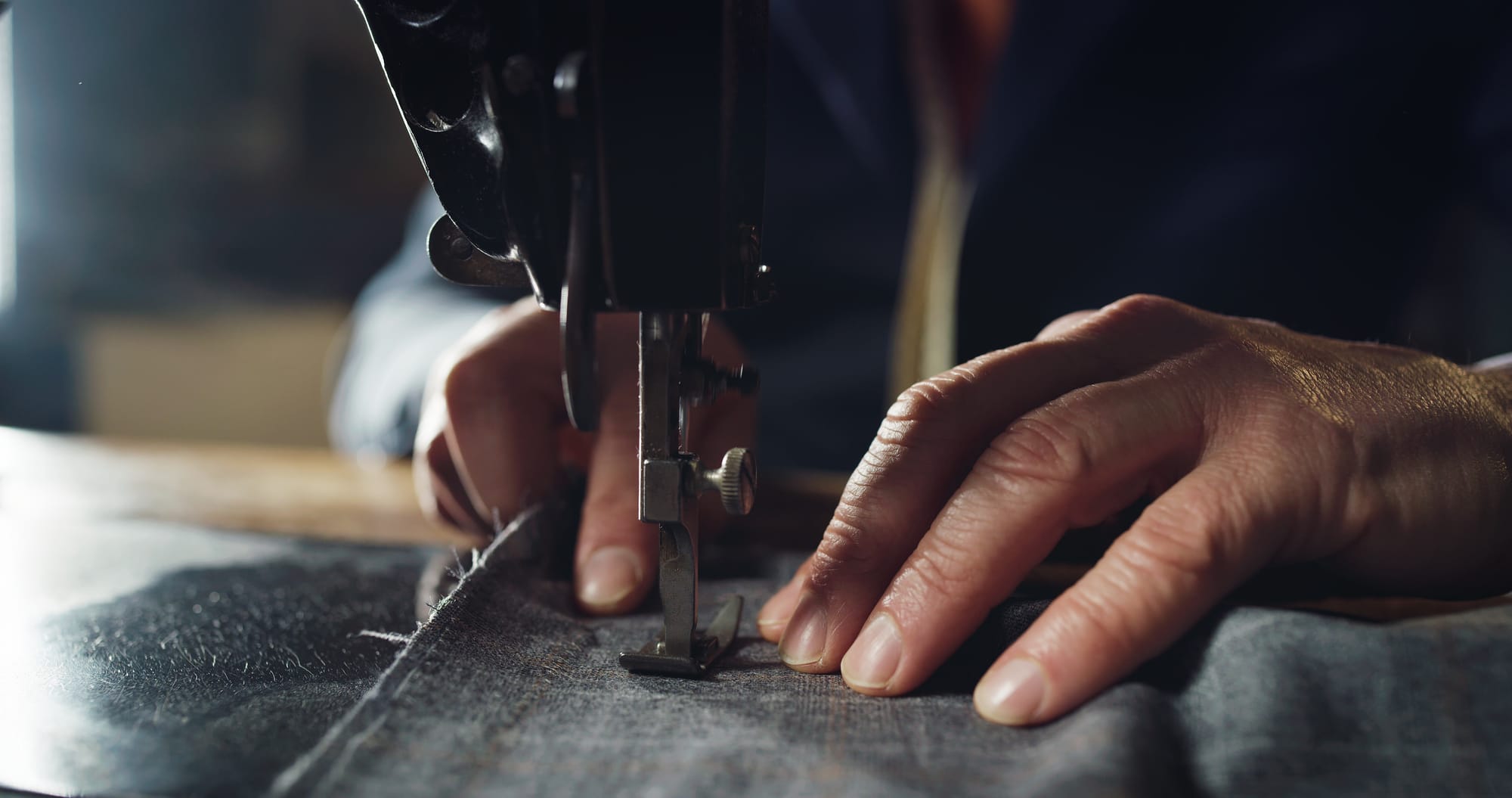
The process begins with a paper pattern drafted specifically to the client’s posture and measurements. The cloth is cut by hand, shaped with internal canvas, and refined through several fittings — typically baste, forward and finisher — each adjusting balance, shoulder line, waist shape and movement. Coat-makers and trouser-makers complete the garment by hand, ensuring it holds its line over years of wear.
Typical price range: £5,500–£7,500+ (entry-level); £9,000–£12,000+ (premium fabrics/details)
Made-to-Measure (MTM) — Adapted Pattern
Made-to-measure starts from an existing base pattern that is adjusted to the client’s measurements.
Fittings are fewer, and parts of the construction use more standardised steps. The result is personalised but less labour-intensive than full bespoke.
Typical price range: £2,000–£4,000+, depending on construction, cloth, and house.
Ready-to-Wear (RTW) — Standard Sizes
Ready-to-wear offers the house’s aesthetic in standard sizes produced in small batches. Garments can be altered, but not fundamentally reshaped.
Typical price range: £800–£2,000+, depending on house and fabric.
The cost and timeline reflect the method. More handwork, a personal pattern and multiple fittings lead to higher labour intensity — and therefore a higher price.
More standardisation reduces both cost and lead time, while still giving clients access to each house’s design language.
Conclusion — A Street Where Craft Shapes Identity
Savile Row combines history, technique and the distinct language of each tailoring house. The craft has remained stable for more than a century, but each firm interprets it differently — sharp, soft, traditional, military or modern. The street also offers a broad set of options in method and pricing, from full bespoke to made-to-measure and ready-to-wear, reflecting the different ways houses approach pattern-making and construction.
Because each tailor maintains its own cut, proportions, aesthetic, and price, the most accurate understanding will likely come from meeting the tailors at the shops and discuss what is the best fit for each client.