Geopolitics & Security
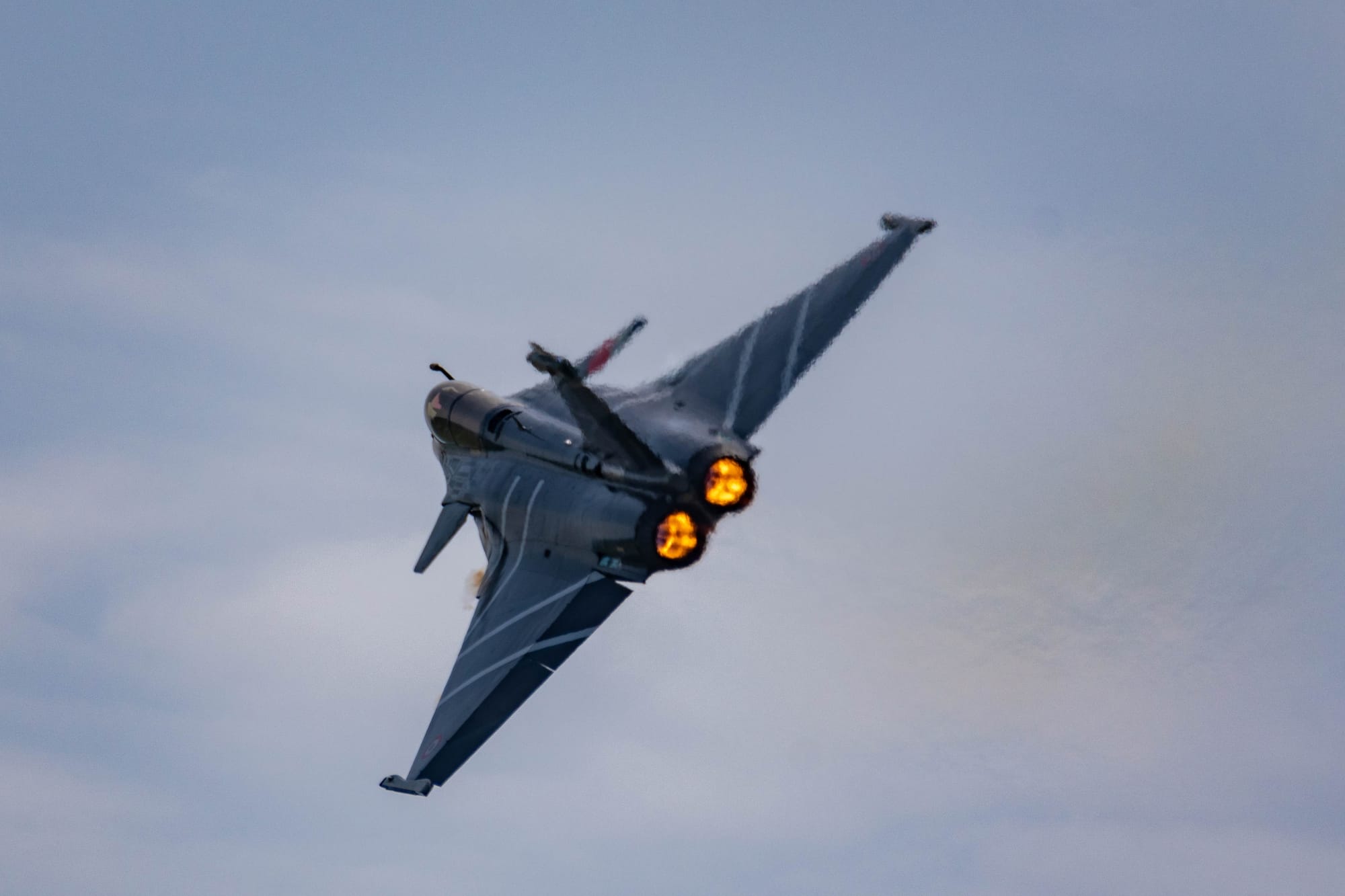
After the Second World War, France had to rebuild the institutions that supported national security. The occupation revealed that the country lacked the structures needed to anticipate risks, mobilise forces and protect national territory. The state faced shortages in intelligence, industry and logistics, and wanted to avoid a situation where national defence depended on outside support. When Charles de Gaulle reorganised the state after 1945, he set defence on a long-term path in which France
14 Dec 2025 · 11 min read

Performance
Dmitry Bivol is the current world light-heavyweight champion, holding the WBA, IBF, and WBO titles. He briefly held all four major world titles in 2025 before voluntarily giving one up. He was born in Tokmok, in today’s Kyrgyzstan, in 1990 and started boxing as a child. His family later moved to Russia, where he entered the national amateur structure and began competing regularly at junior and youth level. During this period, Bivol secured two junior world titles, earned a bronze medal at the
10 Dec 2025 · 4 min read

Performance
Porsche's GT cars are shaped by decades of endurance racing, testing at Weissach, and data collected from competition worldwide. This article explains how that development system was built, how racing formats and regulations evolved, and how race work transfers directly to road cars—including current aerodynamic optimizations developed by Manthey Racing. It also examines how modern tools—cloud telemetry, simulation, and AI—are expanding what engineers can learn from each race. Early Days of R
29 Nov 2025 · 7 min read
Geopolitics & Security
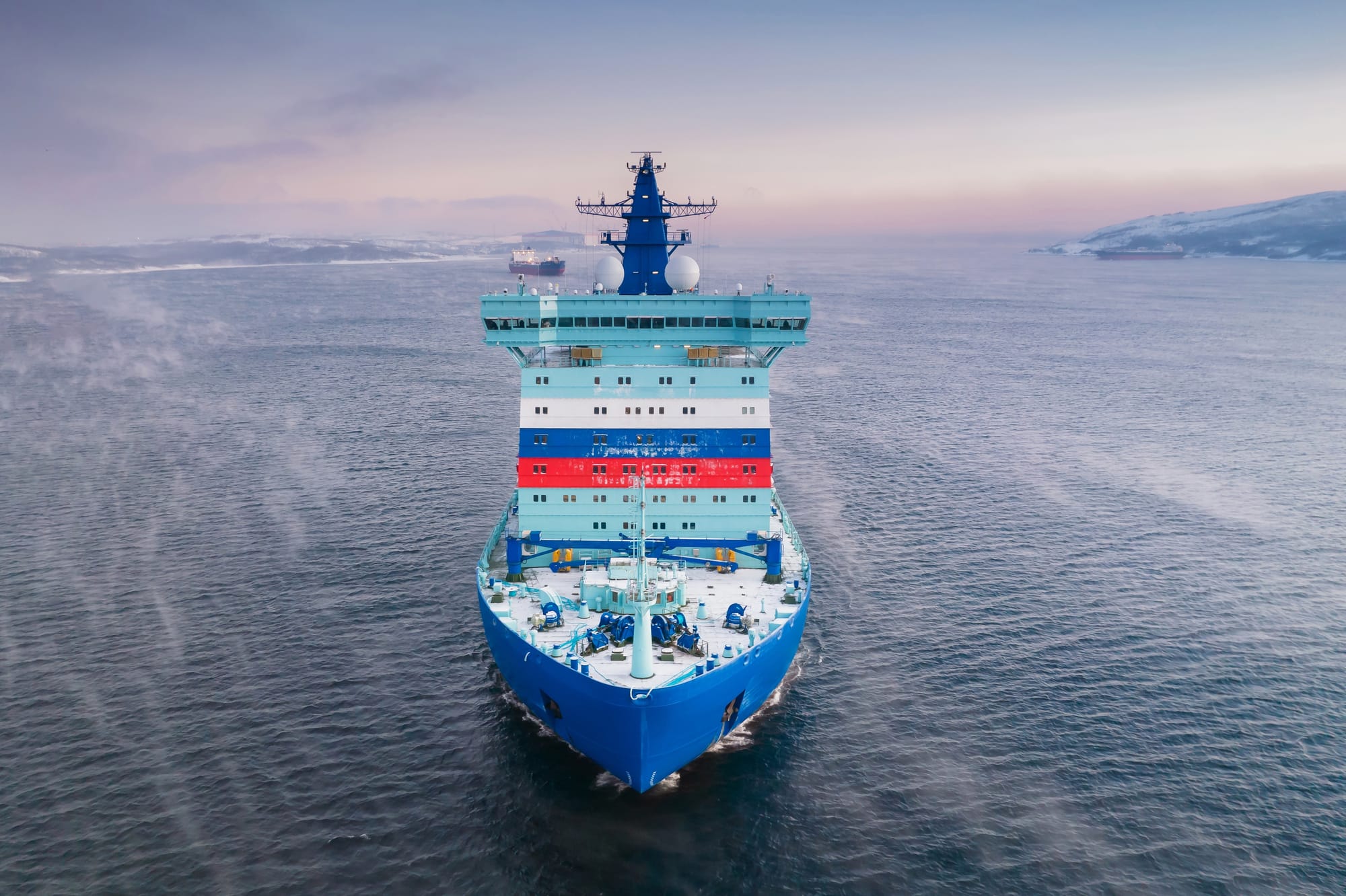
For decades, the Arctic was treated as a blank space on the map — a region defined by ice, scientific missions, and isolated settlements. Commercial activity was minimal, and for most governments and industries the High North played a marginal role. That position is changing. As sea ice retreats and technology improves, the Arctic has become a zone of trade, energy development, and long-term strategic planning. Governments are drafting Arctic policies, shipping firms are studying northern route
29 Nov 2025 · 8 min read

Lifestyle & Leisure
Tailoring has developed distinct centers across the world — Milan, Naples, Hong Kong, and others — each shaped by its own traditions of cut and construction. In London, that tradition is concentrated on one single street in Mayfair- The Savile Row. This article looks at how Savile Row developed, the characteristics of British tailoring, and the main houses located on the street, as well as what they offer. What Is Savile Row and how did it start Savile Row is a short street in London’s Mayfa
23 Nov 2025 · 5 min read

Lifestyle & Leisure
Bentley has introduced a four-car series that pays tribute to the Czech squadrons that served in the Royal Air Force during World War II. Commissioned by Bentley Prague and developed by Mulliner — the division responsible for bespoke and one-off projects — the collection brings together two timelines: the Crewe factory that once produced aircraft engines, and the Czech pilots who flew British aircraft powered by those engines. With approval from the UK Ministry of Defence, each car carries the
17 Nov 2025 · 3 min read

Business & Markets
South Korea’s rise from a war-damaged country to an advanced manufacturing power happened within two generations. The early post-1953 years focused on rebuilding institutions, land reforms, and basic stability. By the 1960s, the government shifted toward export manufacturing and built a coordinated policy system around it. Large family-owned conglomerates — the chaebol — were encouraged to expand into targeted sectors such as electronics, automotive production, shipbuilding, and steel. Democrat
16 Nov 2025 · 9 min read

Performance
From Dagestan to the National Program Artur Beterbiev was born in Dagestan in 1985 and started boxing early. He trained inside Russia’s national sports schools, where fighters develop through repetition and structure. Sessions emphasize clean form, discipline, and technical consistency. Between 2006 and 2010, Beterbiev won European and World Championship titles and represented Russia at two Olympic Games. His amateur record placed him among the top light-heavyweights of his generation and set
2 Nov 2025 · 3 min read
Business & Markets
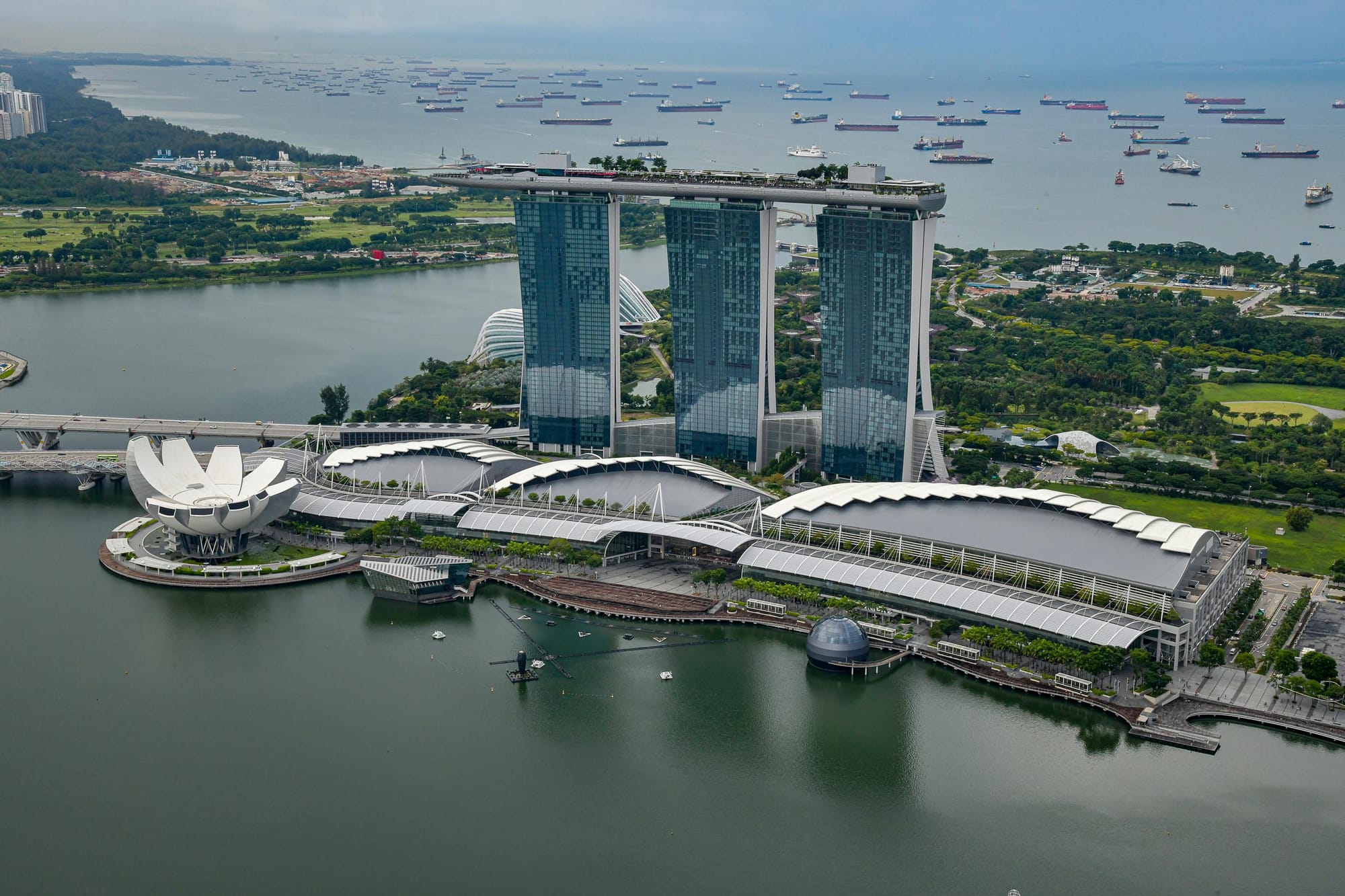
In 1819, the British East India Company established Singapore as a trading post. It was designed as a free port — ships could enter, unload, and trade without paying tariffs. Located at the tip of the Malay Peninsula, the city sits directly on the Strait of Malacca, the main sea corridor linking Asia with the Middle East, Africa, and Europe. The strait carries roughly 35 to 40 percent of global trade by volume and about 15 million barrels of oil per day, including 80 percent of China’s oil impor
2 Nov 2025 · 9 min read

Performance
Definition Discipline is a fundamental element in sports, the military, and all high-performance cultures. It signifies consistency, composure, and the ability to keep working when motivation fades. However, behind the word lies more than just a slogan — it’s a measurable mechanism, studied by psychologists, refined by soldiers, and practiced daily by athletes. The term itself originates from the Latin disciplina, meaning “instruction” or “training.” Its original meaning was not punishment, b
28 Oct 2025 · 5 min read
Geopolitics & Security
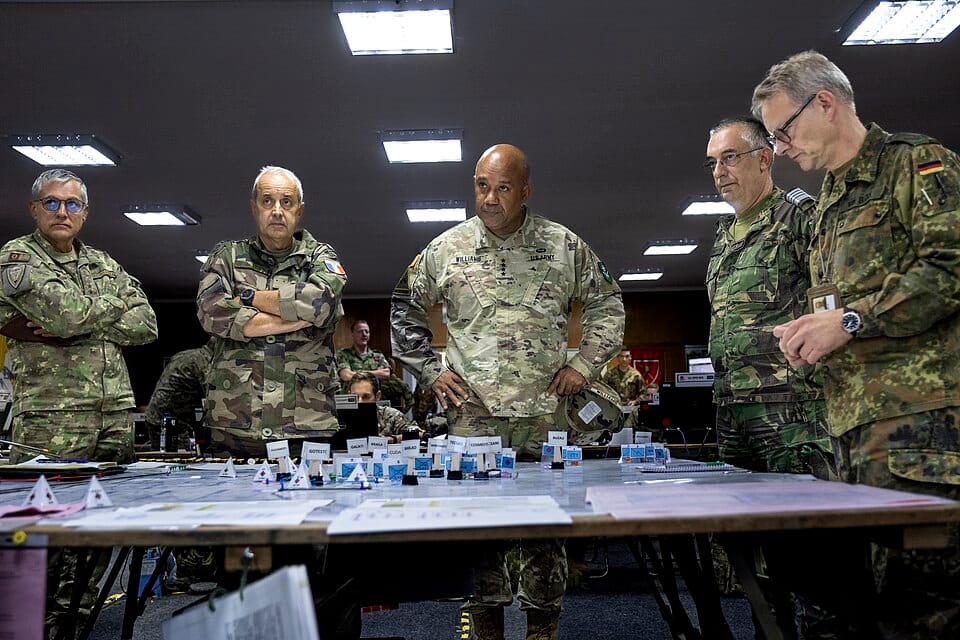
Mission Command, also known as Auftragstaktik in German, is a command philosophy used across NATO and most Western armies. It gives soldiers freedom to act once the goal is clear. Commanders set what must be achieved and trust those on the ground to decide how to accomplish it. This keeps operations moving when radios fail or conditions change more quickly than orders can be processed. The concept was developed in 19th-century Prussia through Carl von Clausewitz’s study of friction and Helmuth
27 Oct 2025 · 6 min read
Business & Markets
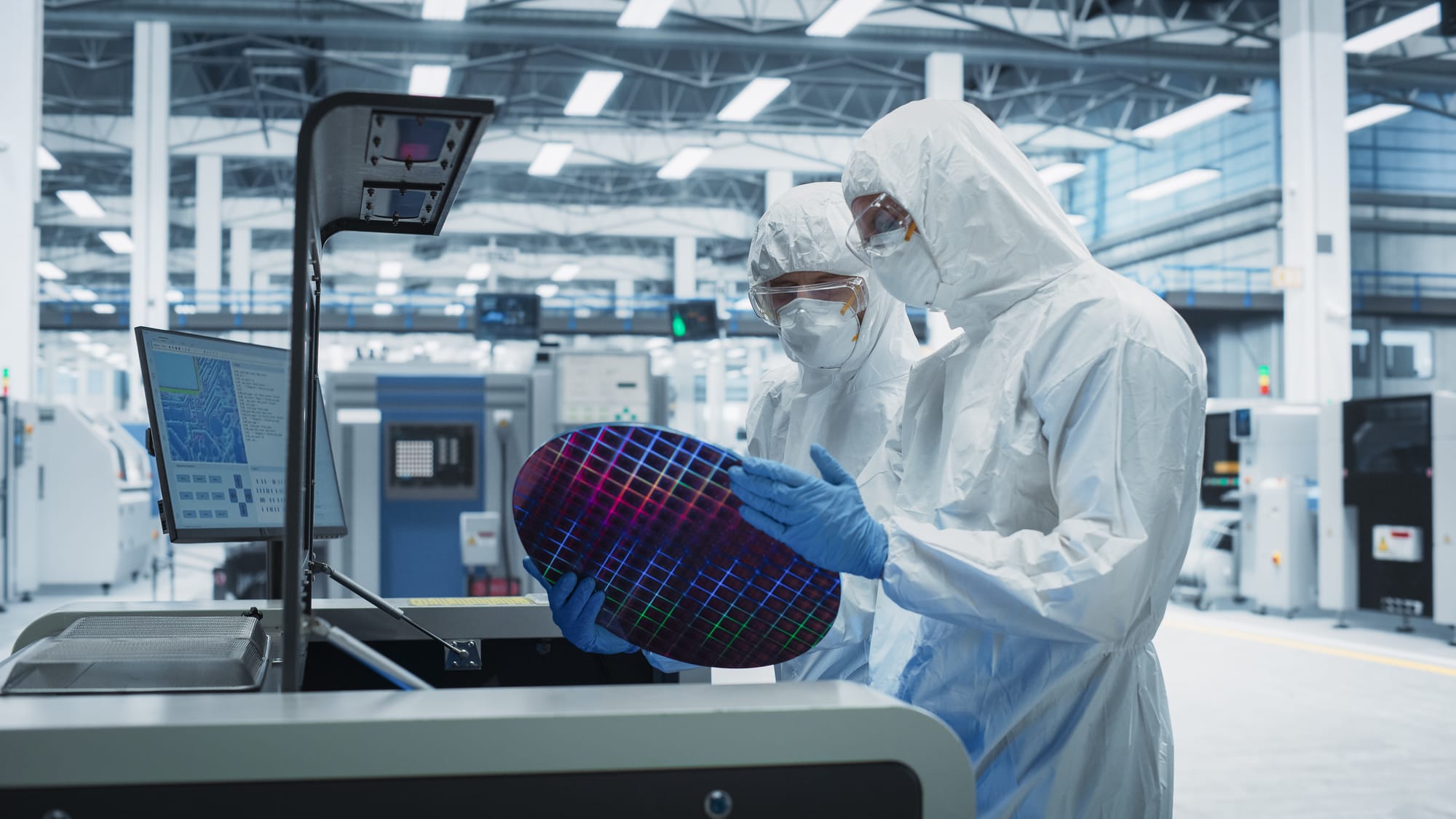
Every modern technology — from smartphones to aircraft and artificial intelligence — depends on one thing: semiconductors. Often referred to as chips, these are tiny electronic components that serve as the building blocks of digital systems, enabling devices to think, calculate, and communicate. In 2024, the global semiconductor industry sales reached $630.5 billion. Estimates from the World Semiconductor Trade Statistics (WSTS) project worldwide sales will hit $701 billion in 2025, confirming
27 Oct 2025 · 6 min read