EU’s Next Budget — Six Countries Call for a Shift in Priorities
Yours Magazine · 29 Sept 2026 · 5 min read
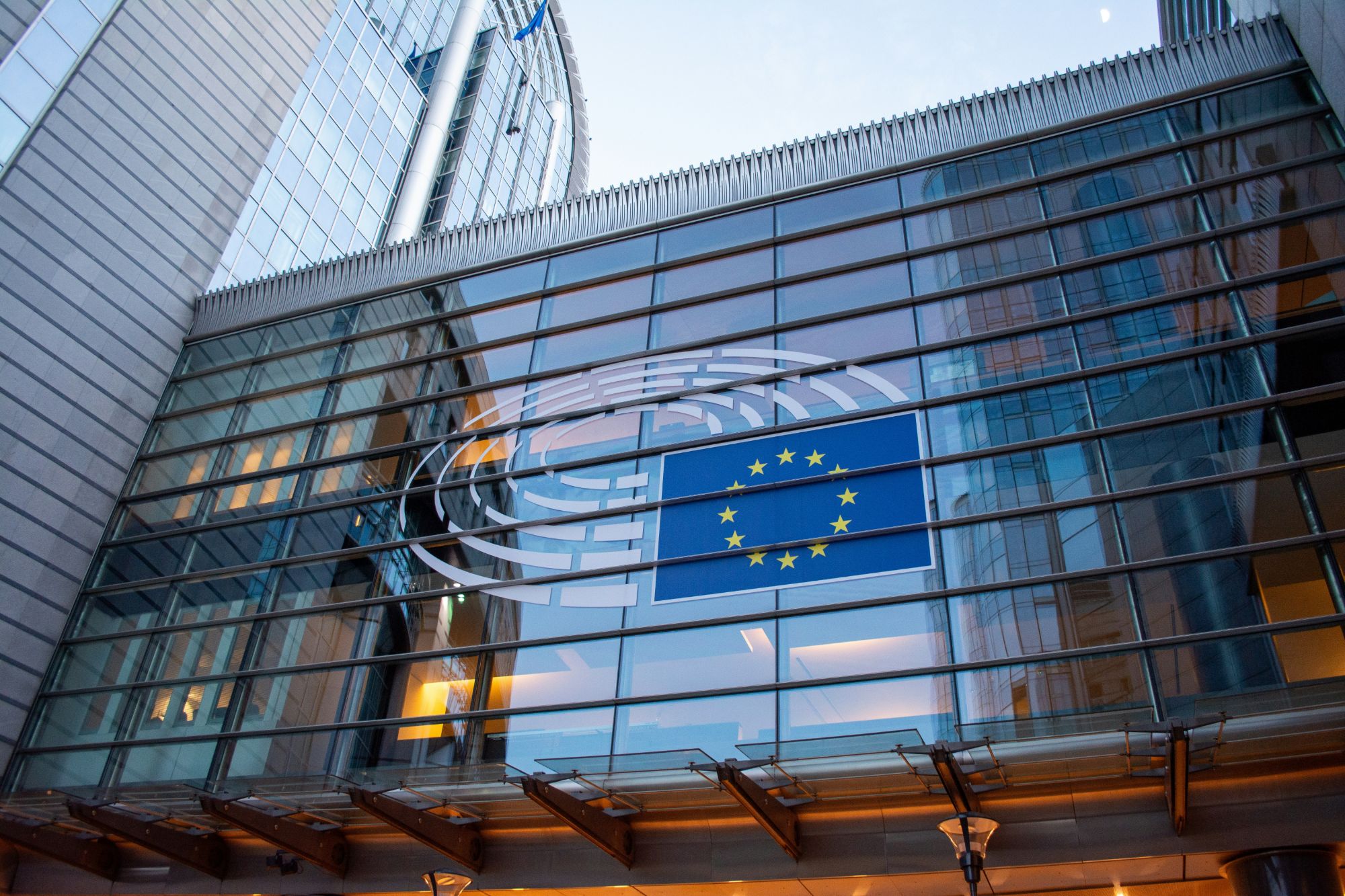
In July 2025, the European Commission proposed a €2 trillion budget for the European Union for the years 2028 to 2034.
In September 2026, Germany, Denmark, the Netherlands, Austria, Finland and Sweden presented a joint position calling for substantial changes to the proposal.
The countries want the overall amount reduced by several hundred billion euros, while giving greater priority to investment in security and defence, competitiveness, innovation and the fight against irregular migration.
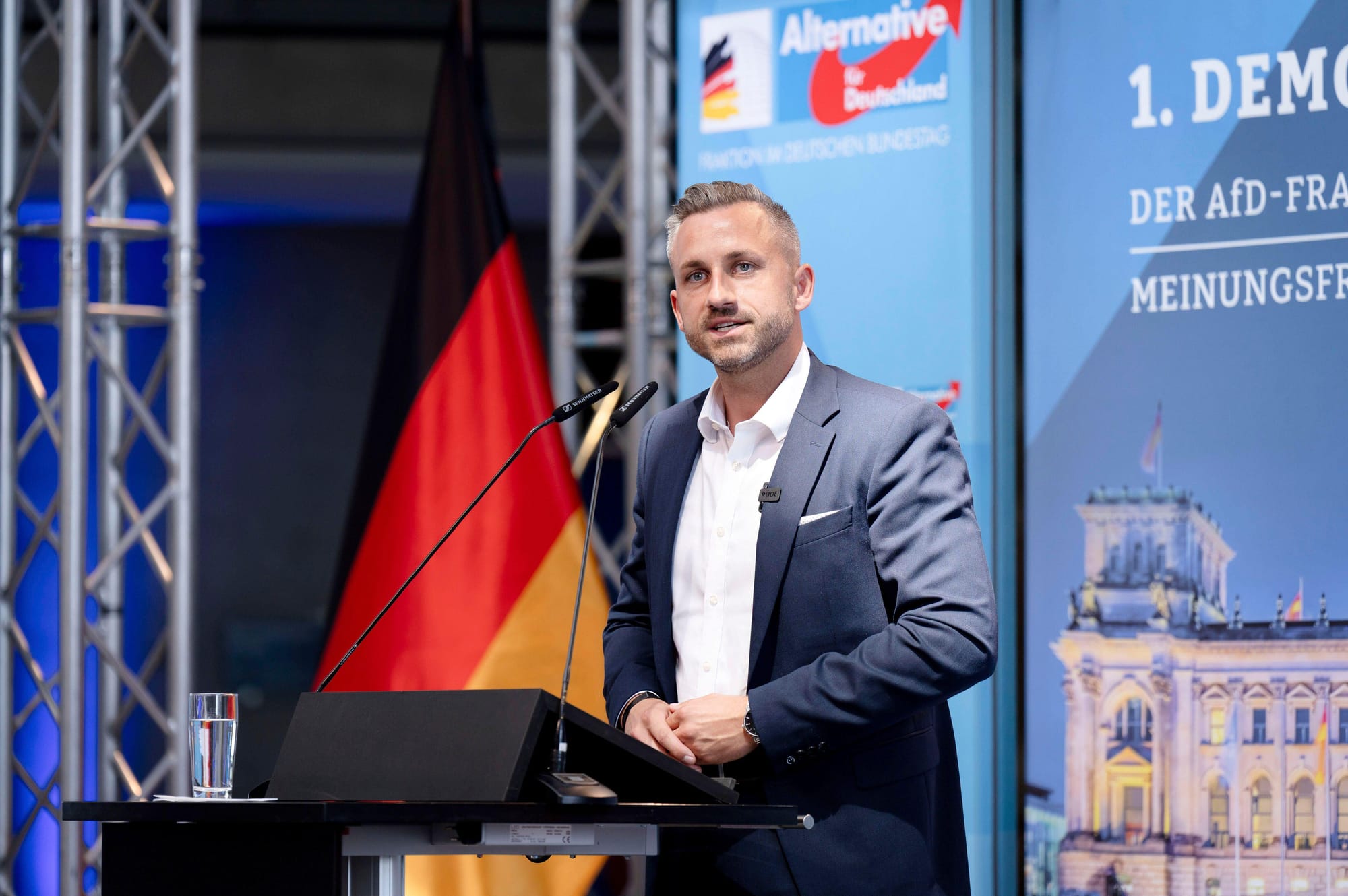
German Chancellor Friedrich Merz has been particularly outspoken about the direction of the changes. He has argued that competitiveness and European industry should move closer to the centre of the next financial framework, saying that Europe cannot meet the challenges of the 21st century with a “20th-century budget.”
Together, the six countries account for a large share of contributions to the EU budget.
How the Current Proposal Is Allocated
The current Commission’s 2028–2034 proposal distributes funding across a wide range of programmes and policy areas:
| Main budget block | Proposed funding |
|---|---|
| National and Regional Partnership Plans — 44% | €865bn |
| ↳ Cohesion, rural development and fishing communities | around €450bn |
| ↳ Farmer and fisher income support | €300bn |
| ↳ Less-developed regions | at least €218bn |
| European Competitiveness Fund — 21% | €409bn |
| ↳ Horizon Europe | €175bn |
| ↳ Defence, security and space | €131bn |
| Other programmes — 15% | €293bn |
| ↳ Connecting Europe Facility | included |
| ↳ Civil protection and health | included |
| ↳ Single Market and Customs Programme | included |
| ↳ Euratom Research and Training | included |
| ↳ Common Foreign and Security Policy | included |
| ↳ Justice | included |
| ↳ Nuclear safety and decommissioning | included |
| ↳ Overseas Countries and Territories | included |
| ↳ Pericles | included |
| Global Europe — 10% | €200bn |
| NextGenerationEU repayment — 8% | €168bn |
| Erasmus+ and AgoraEU — 2% | €49bn |
| Total — 100% | €1,984bn (~€2tn) |
| Additional support for Ukraine | up to €100bn |
The subcategories are included within their respective budget blocks and should not be added to the total separately. Up to €100 billion in additional support for Ukraine is proposed outside the MFF ceilings and is therefore not included in the €1.984 trillion total.
Cohesion and agriculture: The largest part of the proposal is the €865 billion allocated through National and Regional Partnership Plans. These plans bring together funding managed with member states and regions, with cohesion and agriculture at their core. Cohesion funding is intended to reduce economic differences between European regions through investment in infrastructure, businesses and economic development. Around €300 billion would support the income of farmers and fishers, while at least €218 billion would be reserved for less-developed regions.
Competitiveness, research and innovation: €409 billion would be allocated to strengthening European competitiveness. This includes Horizon Europe, which would receive €175 billion for research and innovation, alongside the European Competitiveness Fund and other programmes supporting areas such as clean technologies, digitalisation, biotechnology and industrial development.
Defence and security: Within the competitiveness architecture, €131 billion would be dedicated to defence, security and space, around five times the level of the current budget period. Funding for military mobility would increase tenfold.
Migration, external borders and internal security would receive €81 billion across the wider budget, around three times the current level. This is a policy-wide figure rather than a separate budget block and therefore does not appear as an additional €81 billion in the table above.
External action: Global Europe would receive €200 billion for the EU’s activities outside the Union, including support for candidate countries, development and infrastructure partnerships, humanitarian assistance and cooperation on migration, security and stability. In addition, up to €100 billion could be mobilised for Ukraine between 2028 and 2034, outside the MFF ceilings.
The proposal also allocates €293 billion to other programmes, including transport and energy infrastructure through the Connecting Europe Facility, civil protection and health, the Single Market and Customs Programme, research and nuclear programmes, foreign and security policy and justice.
A further €168 billion, equivalent to 8% of the proposed budget, is allocated to repayments associated with NextGenerationEU, the borrowing programme established during the COVID-19 crisis.
A Smaller Budget With Different Priorities
The Commission’s proposal therefore already includes substantial funding for several of the areas highlighted by the six countries, including competitiveness, defence, security and migration.
The six countries have not published their own allocation for 2028–2034. Their position calls for the Commission’s total to fall by several hundred billion euros, with every heading contributing, while the remaining money should give greater priority to security and defence, competitiveness, innovation and the fight against irregular migration. How those objectives would be met in a single budget has not been specified.