Tesla Roadster — Automotive and Aerospace Engineering
Yours Magazine · 17 Oct 2026 · 6 min read
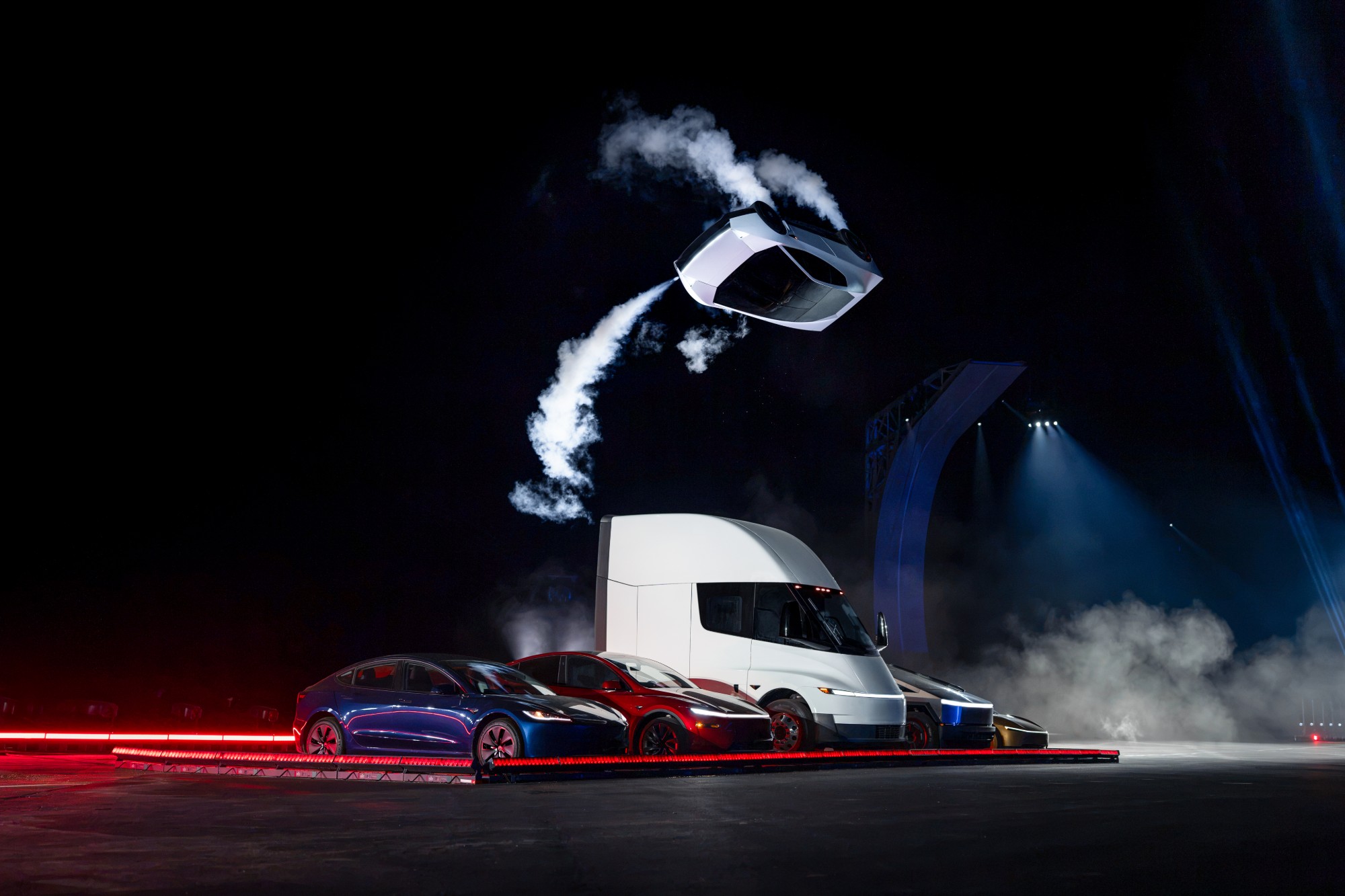
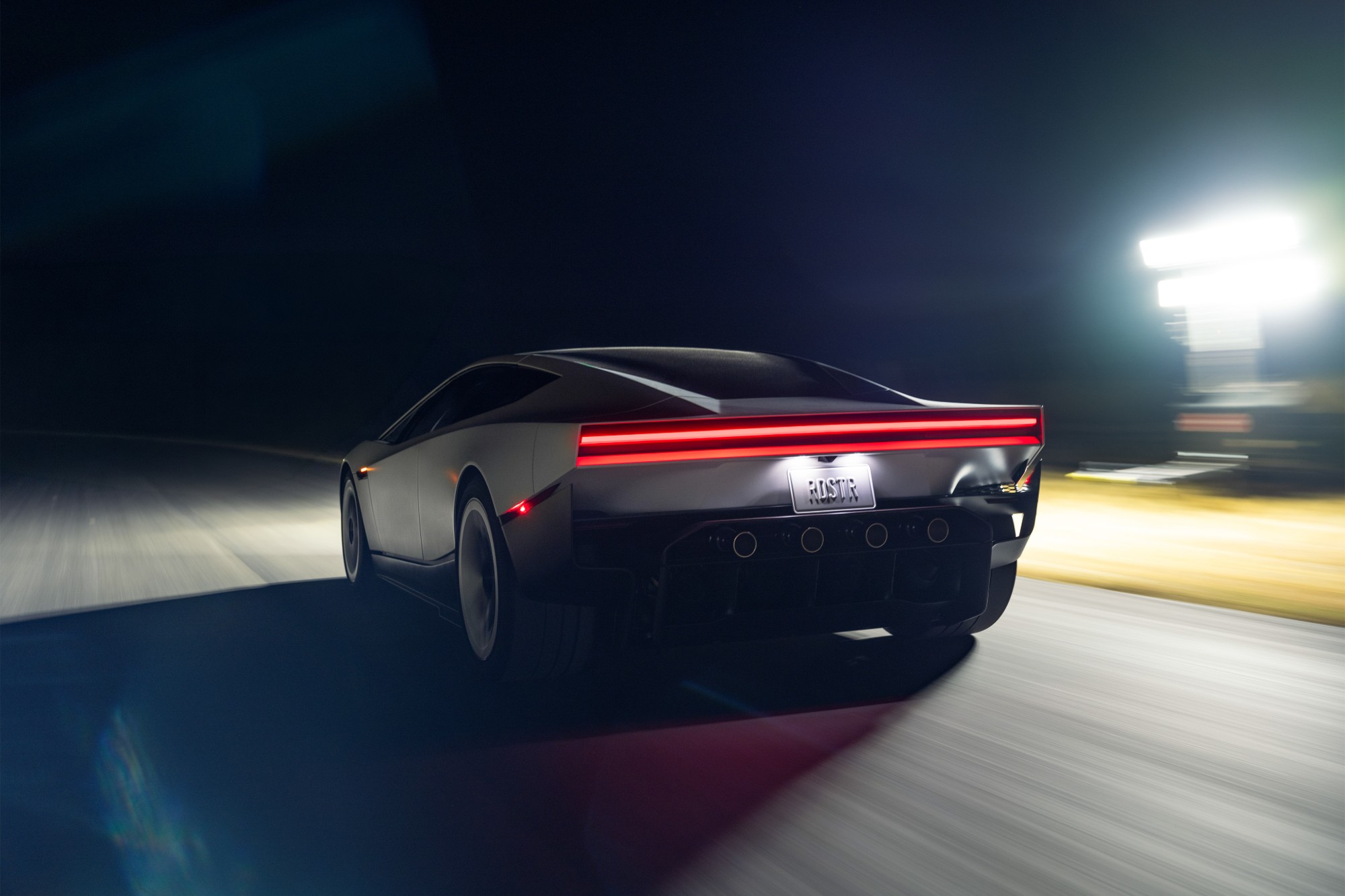
Tesla has presented the latest version of its Roadster, an electric sports car developed with engineering input from SpaceX. Alongside its electric drivetrain, the car uses powered suction to increase grip and, in selected configurations, compressed-gas thrusters to support acceleration and airborne manoeuvres.
Production is targeted for 2028, and Tesla is accepting reservations. The planned offering includes three configurations.
Technology — What Happened During the Demonstration
During the presentation, the Roadster drove up a steep, curved ramp and maintained contact as it turned upside down. It then launched into the air, rotated and landed back on its wheels. Musk described the project as combining Tesla’s automotive engineering with SpaceX’s rocket expertise.
Two systems made these movements possible. Powered suction beneath the car held it against the ramp, while compressed-gas thrusters provided force to move it through the air and control its rotation.
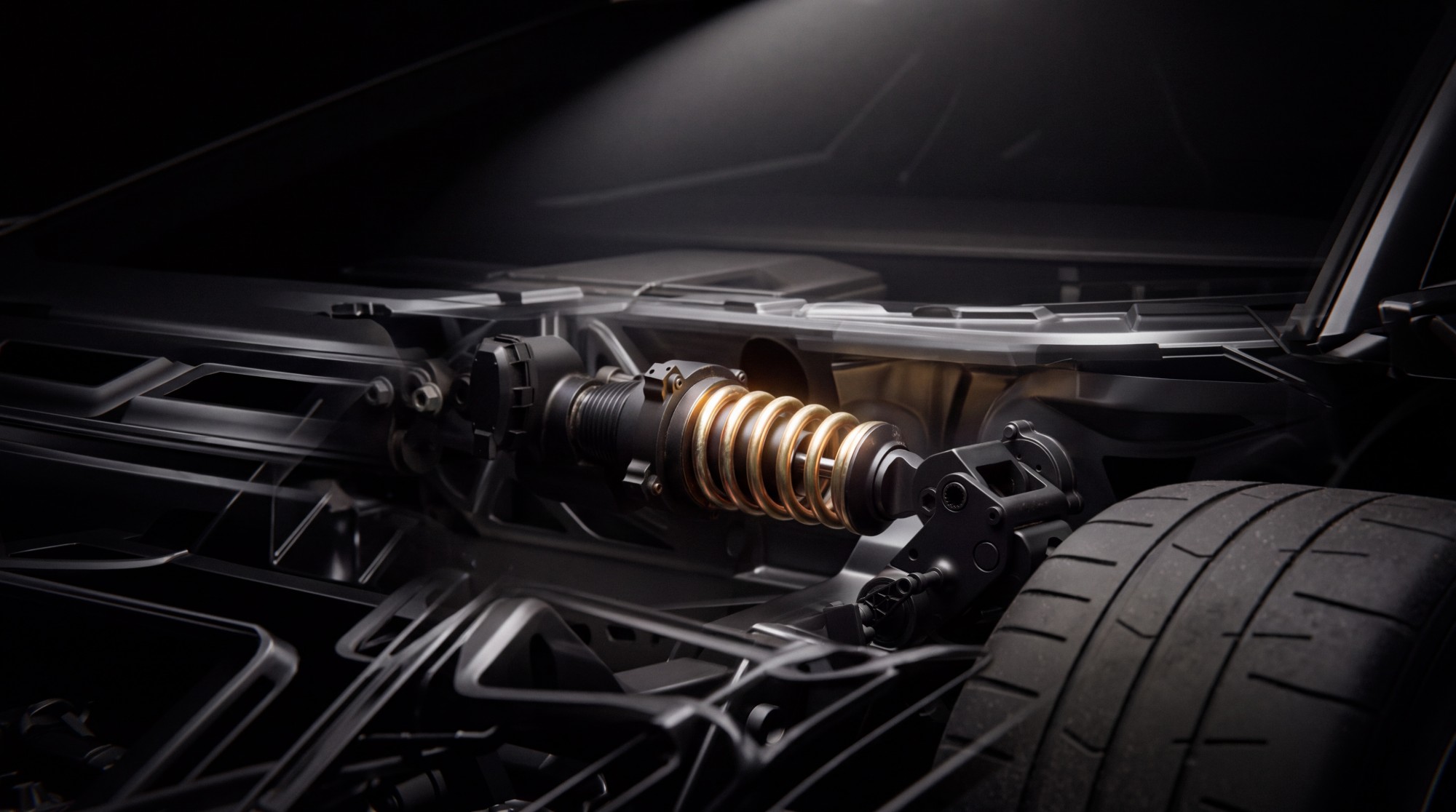
The suction system uses fans to draw air out from beneath the car. Seals around the underside restrict how quickly air can flow back in. With lower air pressure underneath than above, the surrounding air presses the car against the surface. Tesla says this creates enough force to hold the vehicle upside down, even when stationary.
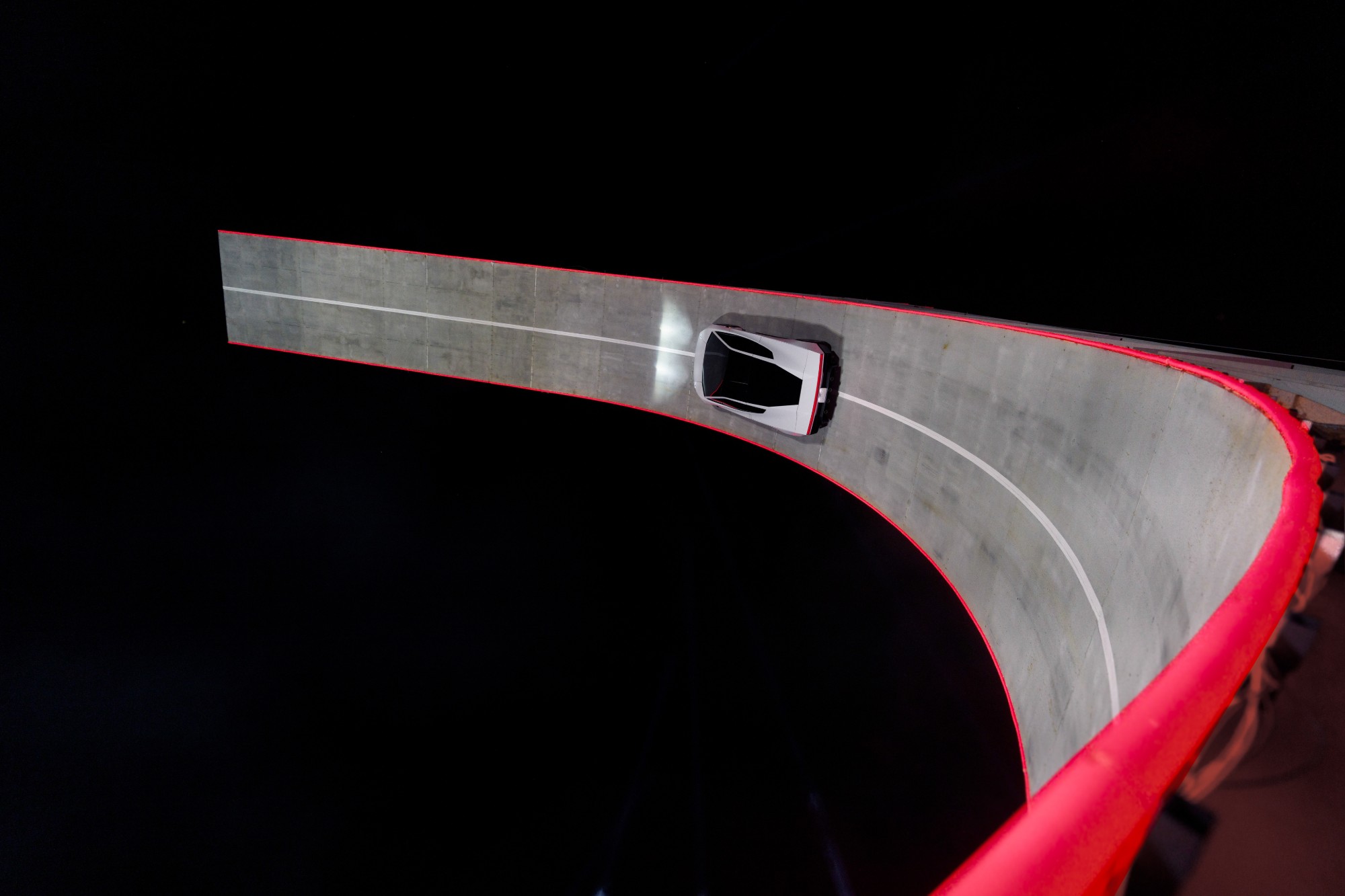
On the road, the purpose is to give the tyres more grip. Pressing them more firmly against the surface helps them transmit greater forces during acceleration, braking and cornering. Conventional aerodynamic downforce increases with speed, but powered suction can also work when the car is moving slowly.
The principle has been used in motorsport before. In 1978, Brabham’s BT46B Formula 1 car used a rear-mounted fan to extract air from beneath its chassis, increasing downforce and grip. Niki Lauda won the Swedish Grand Prix in the car’s only race before Brabham withdrew it under pressure from rival teams. Tesla is applying the same underlying principle to an electric sports car.
The thrusters have a different job. They release stored, compressed gas through nozzles, pushing the car in the opposite direction. The basic principle resembles air escaping from a balloon, although the vehicle controls the pressure and direction precisely. No rocket fuel is burned.
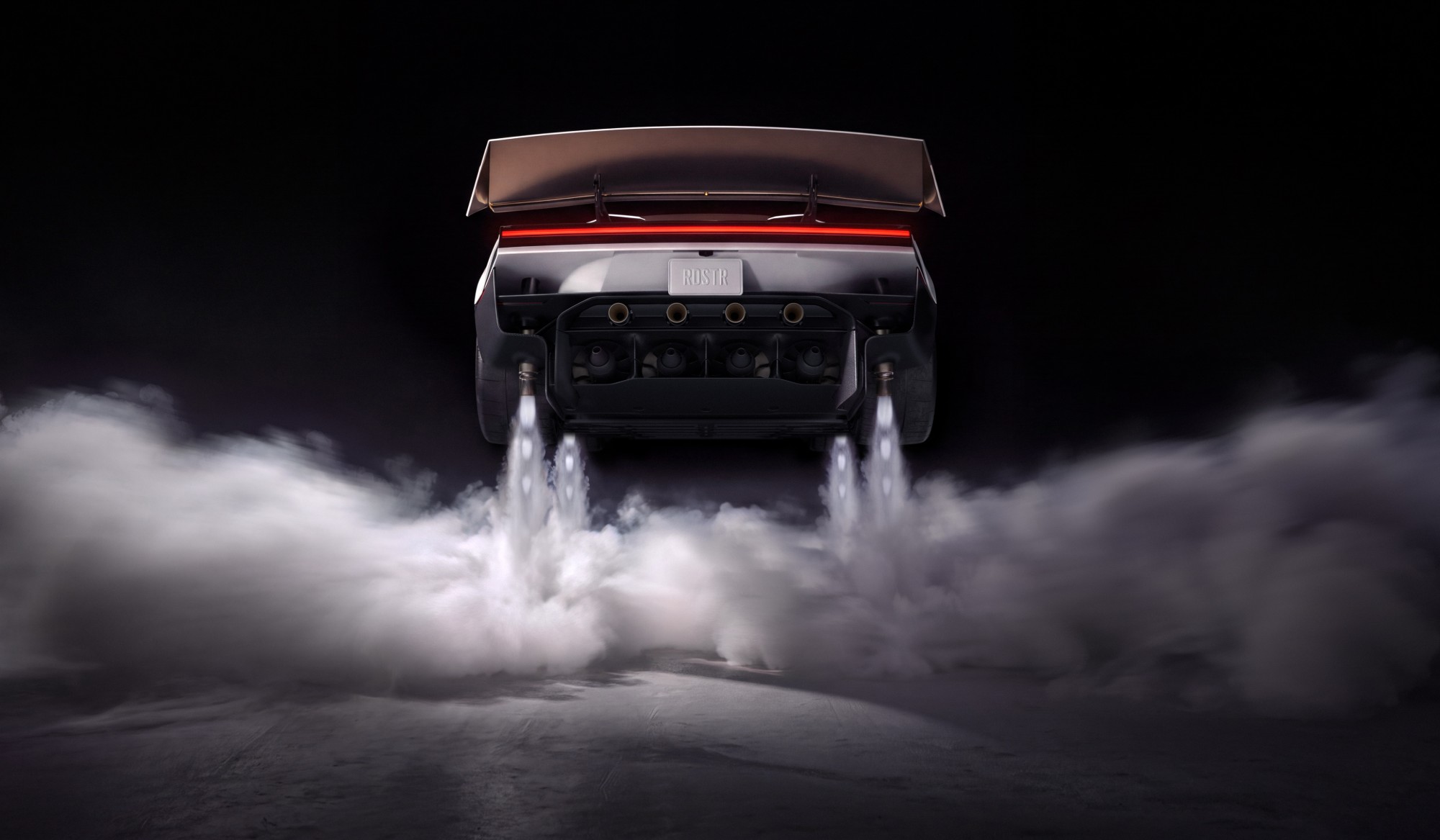
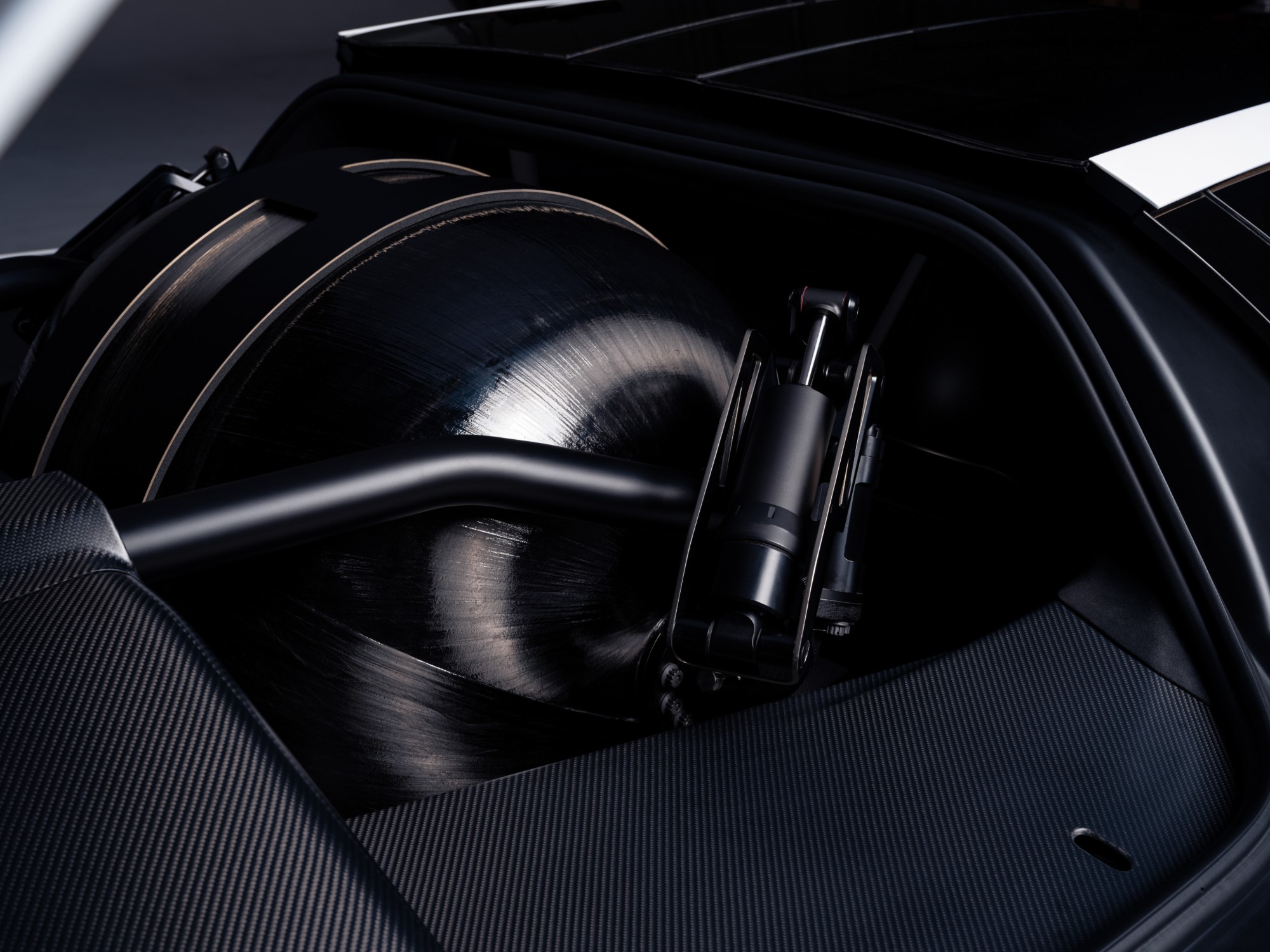
Mounted at the rear, the thrusters give the car an additional forward push. The electric motors drive the wheels, suction helps the tyres maintain grip, and the thrusters add force directly to the vehicle. On its German website, Tesla says this combination allows the Thrust configuration to accelerate from 0–100 km/h in under one second.
The airborne demonstration required additional thrusters around the vehicle. These provided upward thrust and controlled its rotation. Suction kept the car in contact with the ramp; the thrusters supported its movement once airborne.
Configurations — What Tesla Plans to Offer
The capabilities shown during the presentation are divided across three configurations.
| Configuration | Seats | Equipment and intended use | Availability |
|---|---|---|---|
| Performance | Two | Active aerodynamics and powered suction for road and track driving. No cold-gas thrusters listed. | By reservation |
| Thrust | Two | Suction and rear-mounted thrusters for additional forward acceleration. Tesla describes it as race ready. | Limited release |
| Rocket | One | Suction and thrusters around the vehicle for forward acceleration, upward thrust and rotational control. Not approved for public-road use. | Invitation only |
Performance is the road-going car. Its suction system presses the tyres more firmly against the surface, while active aerodynamic elements manage airflow around the body. It does not include the thrusters used for airborne manoeuvres.
Thrust retains the two-seat layout and adds rear-mounted thrusters. These are intended to improve forward acceleration, rather than produce the controlled airborne movements shown by Rocket. Tesla presents it as a limited-release upgrade focused on track performance.
Rocket has one seat and thrusters around its perimeter. Applying force at different positions allows it to generate lift and control rotation, as well as accelerate forwards. This is the configuration equipped for the airborne movements. It is available by invitation only, and Tesla explicitly excludes public-road use.
The Roadster also includes driving technology beyond suction and thrusters. Tesla describes a steer-by-wire system, which transmits steering inputs electronically and is operated through a steering yoke. Driving information appears on a central touchscreen and two smaller displays ahead of the driver.
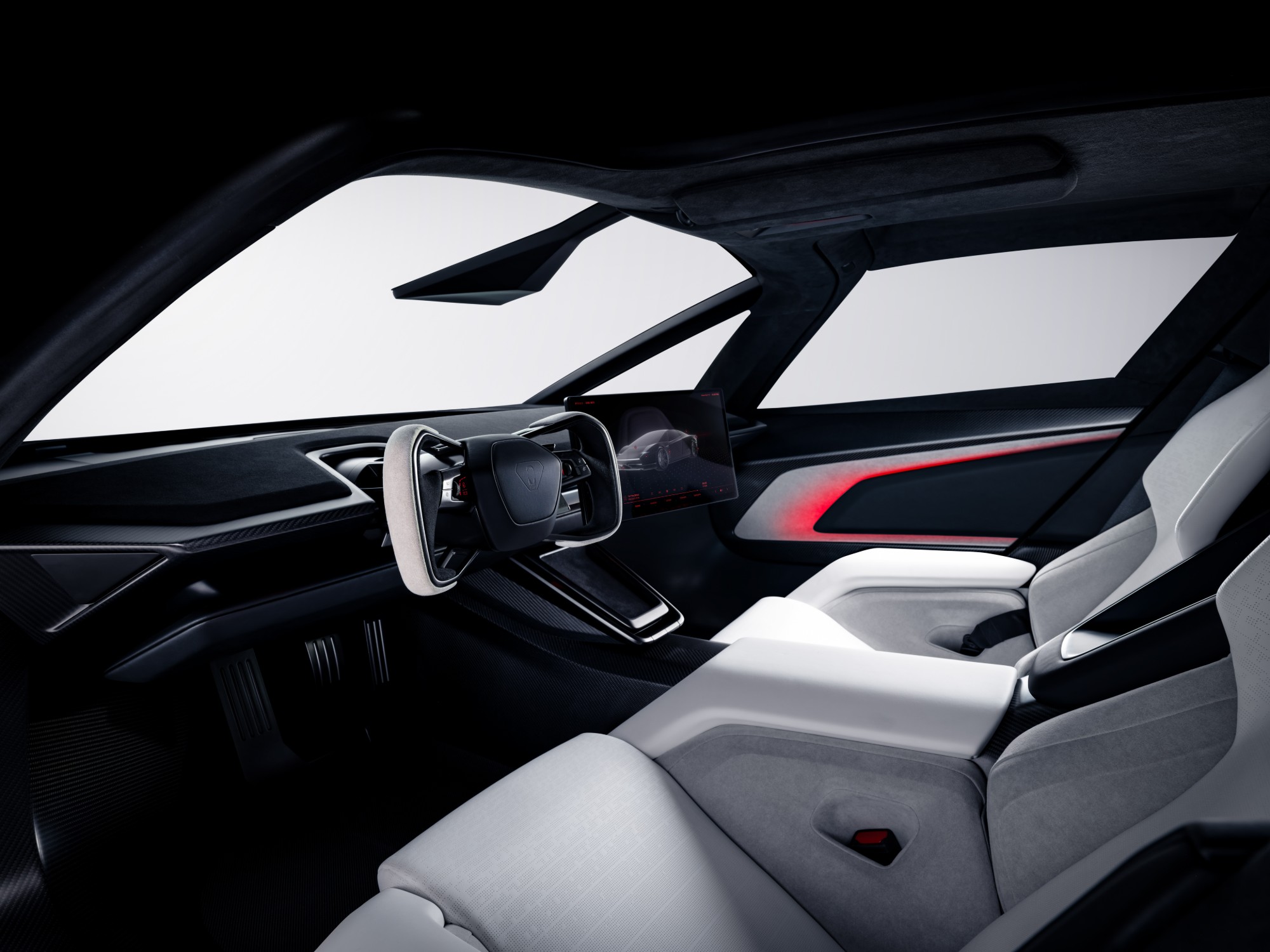
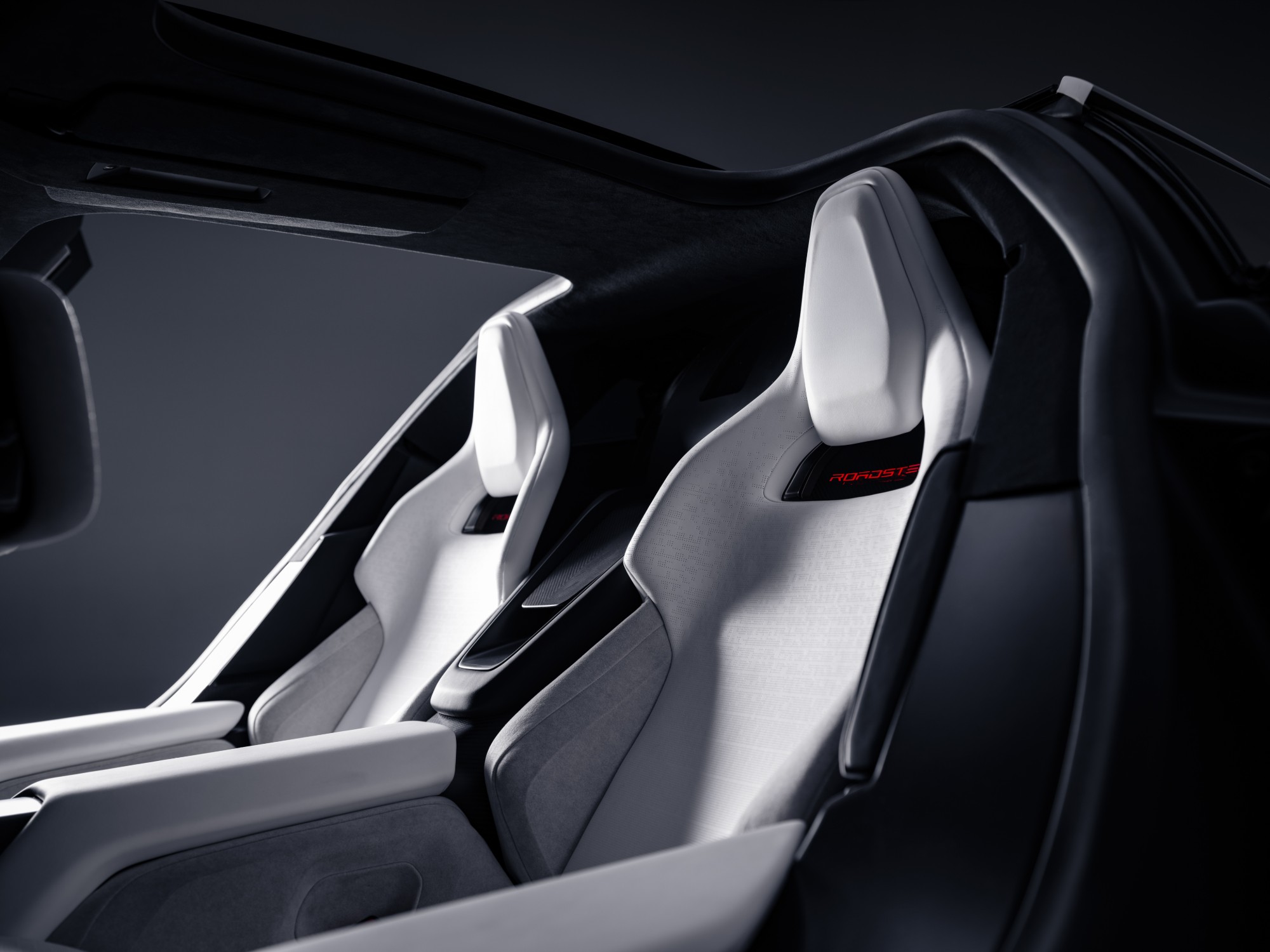
Magnesium, titanium and carbon fibre are among the materials Tesla lists for reducing weight. The company also describes a Track Mode that lowers the car and changes its suspension setup. Drivers can select settings for greater downforce or lower aerodynamic drag.
Tesla attaches configuration-specific footnotes to these descriptions. The final production specification will therefore be important in establishing which equipment is available with each version.
Development — Beyond the Roadster
The Roadster brings together electric propulsion, fan-generated suction previously used in motorsport and cold-gas thrusters associated with spacecraft control. How widely this combination will be implemented in the future, and on what scale, remains unclear. For now, the thrusters are reserved for Thrust and Rocket, with airborne manoeuvres limited to the invitation-only Rocket.
The collaboration also brings together the two industries in which Musk’s companies have already driven substantial change. Tesla helped bring electric cars into the mainstream, while SpaceX established reusable orbital boosters in commercial launch operations. Both companies have taken engineering developments beyond demonstrations and into commercial use at scale.
That record gives the Roadster additional context. Alongside Tesla’s work on AI and autonomous driving, it adds another direction to the company’s vehicle development by combining automotive and aerospace engineering. The current application is a specialised sports car. Whether this combination develops into further products or wider transport uses remains an open question.