Canada’s Defence Modernisation — Infrastructure, Procurement and Industrial Development
Yours Magazine · 1 Nov 2026 · 12 min read
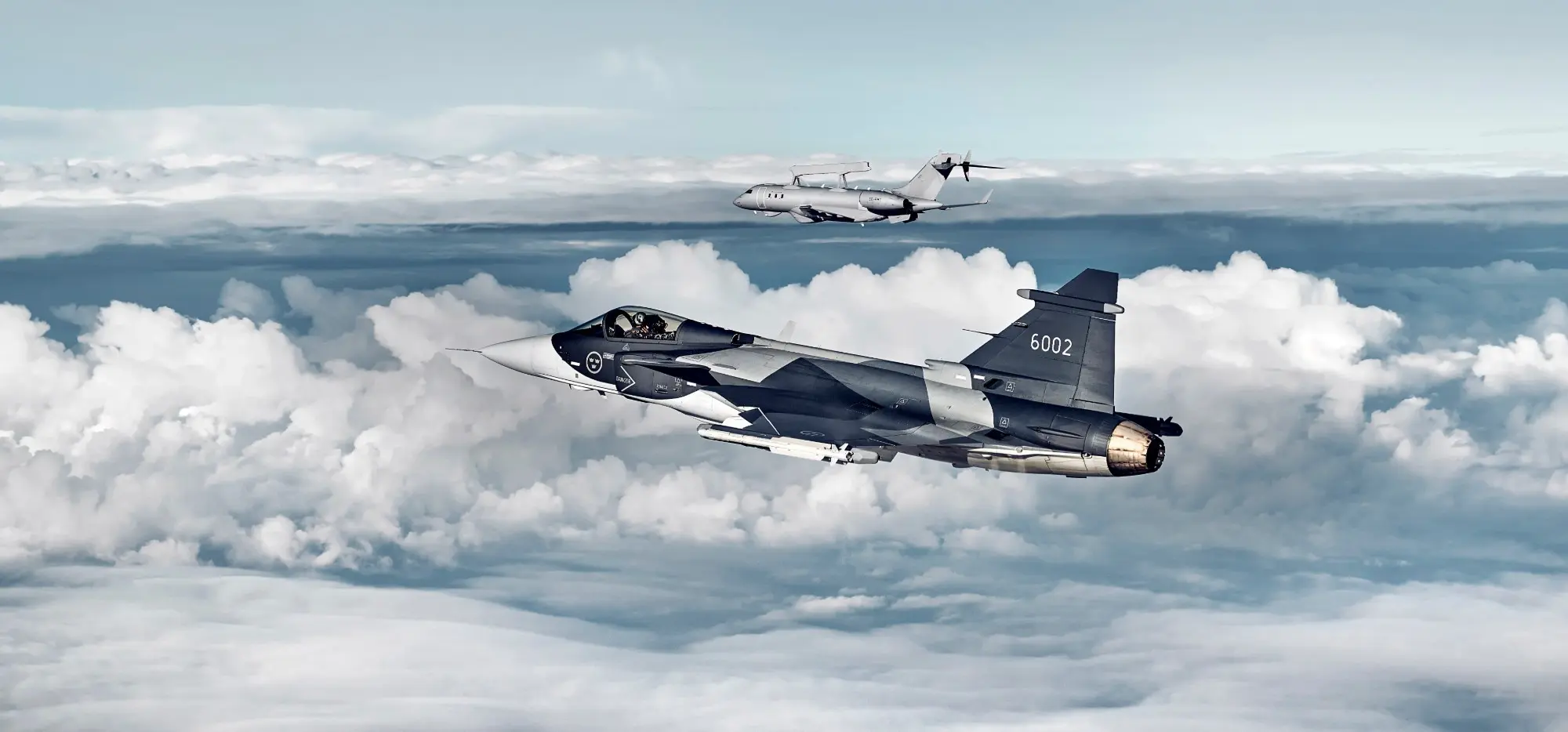
Recent discussions between Canada and Swedish defence manufacturer Saab have focused on the potential purchase of six GlobalEye surveillance aircraft and the Gripen E fighter jet, including the possibility of manufacturing the aircraft in Canada.
The talks come as Canada undertakes a wider modernisation of its defence infrastructure, particularly in the Arctic. The government has announced C$38.6 billion over twenty years to improve its radar networks, military communications and the facilities needed to support operations across the North.
This article examines Canada’s existing northern defence system, the infrastructure and military capabilities being developed, and how these investments are intended to strengthen its position in the Arctic.
The Changing Security Environment
Canada’s defence modernisation comes amid growing international security concerns, including Russia’s war in Ukraine, conflicts in the Middle East and changing conditions in the Arctic.
As temperatures rise and sea ice retreats, Arctic waters are becoming more accessible to ships, increasing activity and interest in the region. This makes Canada’s ability to monitor its northern territory and detect potential threats increasingly important.
At the same time, advances in military technology have created new challenges for detecting approaching aircraft and missiles. Much of Canada’s existing defence network dates back to the Cold War and is now being modernised to address these developments.
Canada’s Northern Defence Infrastructure
Canada’s northern territories stretch across thousands of kilometres, forming a vast Arctic region between North America and the polar routes towards Russia. During the Cold War, these routes were a major concern because Soviet bombers could approach North America from the north.
To detect approaching Soviet aircraft, Canada and the United States developed the Distant Early Warning (DEW) Line, a network of radar stations across the Arctic.
In 1958, the two countries established the North American Aerospace Defense Command (NORAD) to coordinate the monitoring and defence of North American airspace.
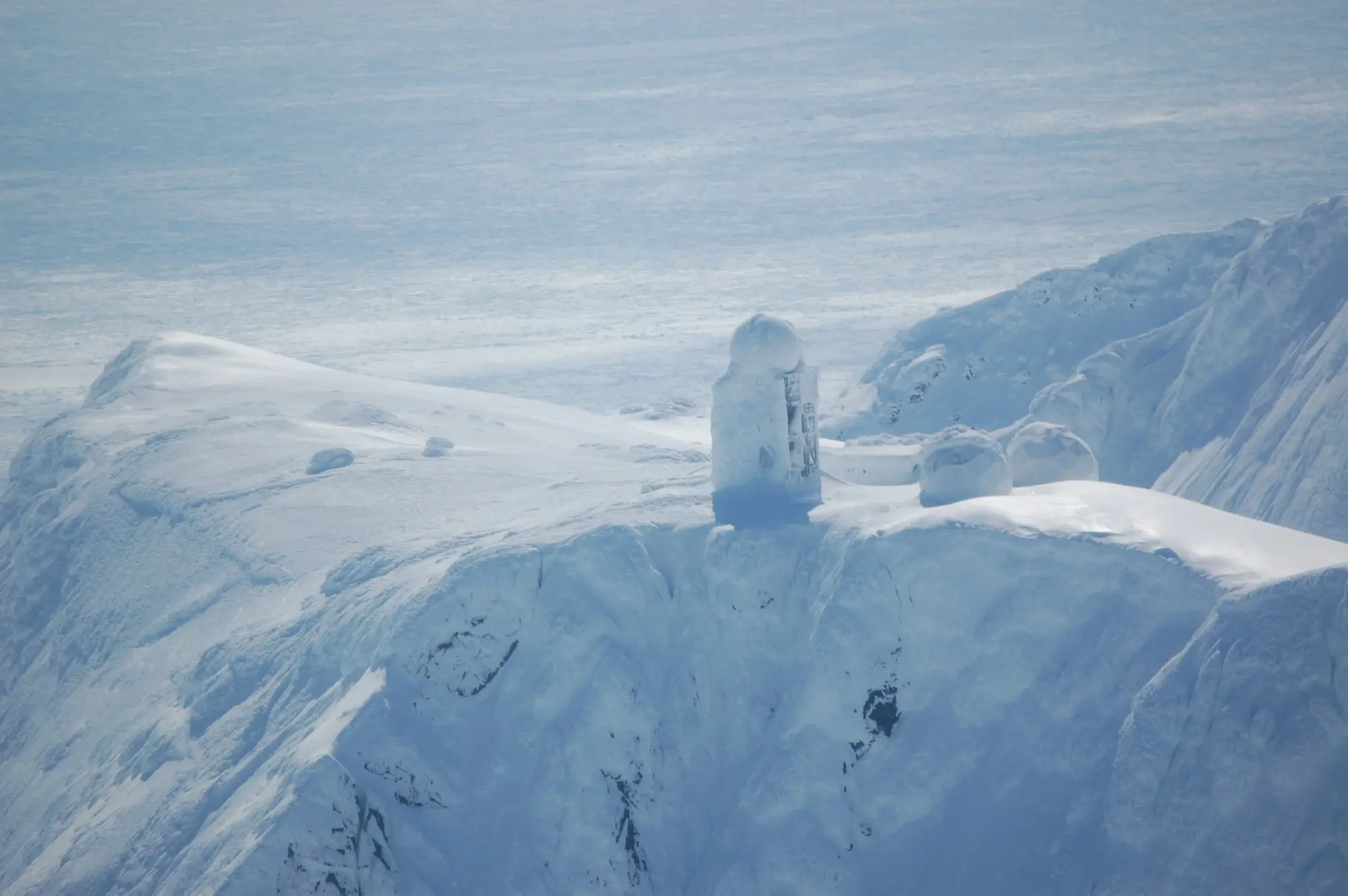
The original radar network was later replaced by the North Warning System, stretching across approximately 4,800 kilometres with nearly 50 radar stations in Canada. The stations monitor approaching aircraft and transmit information to military command centres, allowing fighter aircraft to be deployed if a potential threat is detected.
In 2006, Canada and the United States also added maritime warning to NORAD’s mission, extending its role to identifying potential threats approaching North America by sea.
While the radar stations remain operational and bombers continue to pose a potential threat, military technology has changed considerably. Modern weapons can fly at lower altitudes or travel at much higher speeds, making them harder to detect and leaving less time to respond.
To address these developments, Canada announced C$38.6 billion over twenty years in June 2022 to modernise its NORAD defence systems. The programme includes new surveillance systems, upgraded communications and command facilities, modern air-defence weapons and improvements to military infrastructure.
Canada is also seeking to strengthen its domestic defence industry and diversify its military suppliers. In February 2026, the government introduced its Defence Industrial Strategy, giving greater priority to Canadian manufacturing and international partnerships to reduce dependence on individual foreign suppliers.
Canada’s Defence Modernisation Programme
Radar and Surveillance
Canada’s first major investment focuses on extending its radar surveillance beyond the existing North Warning System. Conventional radar is limited by the curvature of the Earth, making it difficult to detect aircraft and missiles approaching from greater distances or flying at low altitudes.
To address this limitation, Canada is developing the Arctic Over-the-Horizon Radar (A-OTHR), a programme valued at more than C$6 billion. The system uses radio signals that travel through the upper atmosphere and return to Earth, allowing it to detect activity far beyond the range of conventional radar. This would provide military forces with more time to identify potential threats and prepare a response.
The technology is being developed in cooperation with Australia, including C$2.5 billion in radar equipment supplied by BAE Systems Australia. The first installations are planned for Kawartha Lakes and Clearview Township in southern Ontario. One site will transmit radar signals, while the other will receive and process them. Initial operational capability is expected in 2029.
While Arctic Over-the-Horizon Radar will extend surveillance towards the Arctic Circle, Canada is developing NORTHWATCH to monitor the polar regions farther north. Unlike the radar installations in southern Ontario, NORTHWATCH is exploring a combination of ground-based and space-based sensors to detect approaching threats.
Canada is also working with the United States on Project Crossbow, a separate network of sensors across northern Canada that will provide another layer of detection. Its specific capabilities remain classified.
Surveillance is also being expanded into the air, with Canada considering six GlobalEye surveillance aircraft from Swedish manufacturer Saab. While the fixed radar installations provide long-range warning, GlobalEye can be deployed to monitor a particular region and follow the movements of aircraft and ships.
The aircraft combines radar and other sensors with a command system that processes the information collected during a mission. Its crew can identify and track potential threats, share their positions with military forces and help direct fighter aircraft sent to investigate or intercept them.
GlobalEye is built around the Canadian-made Bombardier Global 6500, which Saab equips with its Erieye radar and additional military systems. The aircraft can remain airborne for up to 12 hours, allowing it to monitor an area over an extended period.
In May 2026, Saab was identified as the preferred supplier, followed by a non-binding agreement in September concerning a possible purchase of six aircraft. A final acquisition contract has not yet been signed.
While GlobalEye provides surveillance across the air, land and sea, Canada is also replacing its ageing CP-140 Aurora aircraft, which are used for maritime patrols and submarine detection.
The government has contracted American manufacturer Boeing to supply 14 P-8A Poseidon aircraft, with an option for two additional units. Equipped with radar, acoustic sensors and anti-submarine weapons, the P-8 can monitor maritime activity, locate and track submarines, and engage underwater threats. The first deliveries are expected in 2027.
Communications Infrastructure
The expansion of Canada’s surveillance network also requires improvements to the communications systems connecting its military forces. Aircraft, ships and military bases need reliable connections to exchange information, particularly in the Arctic, where vast distances and limited infrastructure make communication more difficult.
To improve these connections, Canada is investing in satellite communications. In August 2026, the government awarded an initial C$2.3 billion contract to Canadian satellite operator Telesat for its Lightspeed network. The agreement allows Telesat to expand its planned network from 156 to 225 satellites, with the additional 69 manufactured by MDA Space in Montréal. The satellites will provide secure communications for military operations across the Arctic.

Canada is also planning a new satellite ground station in the Arctic, with C$985 million allocated over twenty years. In October 2026, a separate C$4.7 million contract was awarded to Kepler Communications to test laser links between satellites, allowing information to be exchanged more quickly. The research is also intended to support the NORTHWATCH surveillance programme.
The expansion of satellite communications is accompanied by upgrades to Canada’s existing military command centres, including the Canadian Combined Air Operations Centre in Winnipeg, where the Royal Canadian Air Force coordinates air operations. The upgrades include modern radio networks and digital equipment, alongside new technology to process surveillance information.
One example is NORAD Cloud-Based Command and Control (CBC2), formerly known as Pathfinder, a joint project with the United States that uses cloud computing and machine learning to analyse information collected by radar and other surveillance systems. The technology helps military commanders identify potential threats more quickly and make decisions based on information from different sources.
Fighter Aircraft and Air Defence
Once a potential threat has been identified, Canada relies on fighter aircraft to respond. Its current fleet consists of CF-18 Hornets, which have served since the 1980s and are approaching the end of their operational life. Replacing these aircraft is therefore a major part of Canada’s wider defence modernisation.
In 2023, Canada signed an agreement to acquire 88 F-35A fighter jets from American manufacturer Lockheed Martin. The aircraft combines advanced radar and sensors with stealth technology, making it more difficult for enemy radar systems to detect. It can identify and track multiple targets and engage threats using air-to-air missiles.
The first two F-35s were delivered to a training base in Arizona in October 2026, where Canadian pilots are preparing to operate the new aircraft. The first deliveries to Canada are expected in 2028. However, the government is reviewing the remaining purchase as part of its efforts to diversify military suppliers.
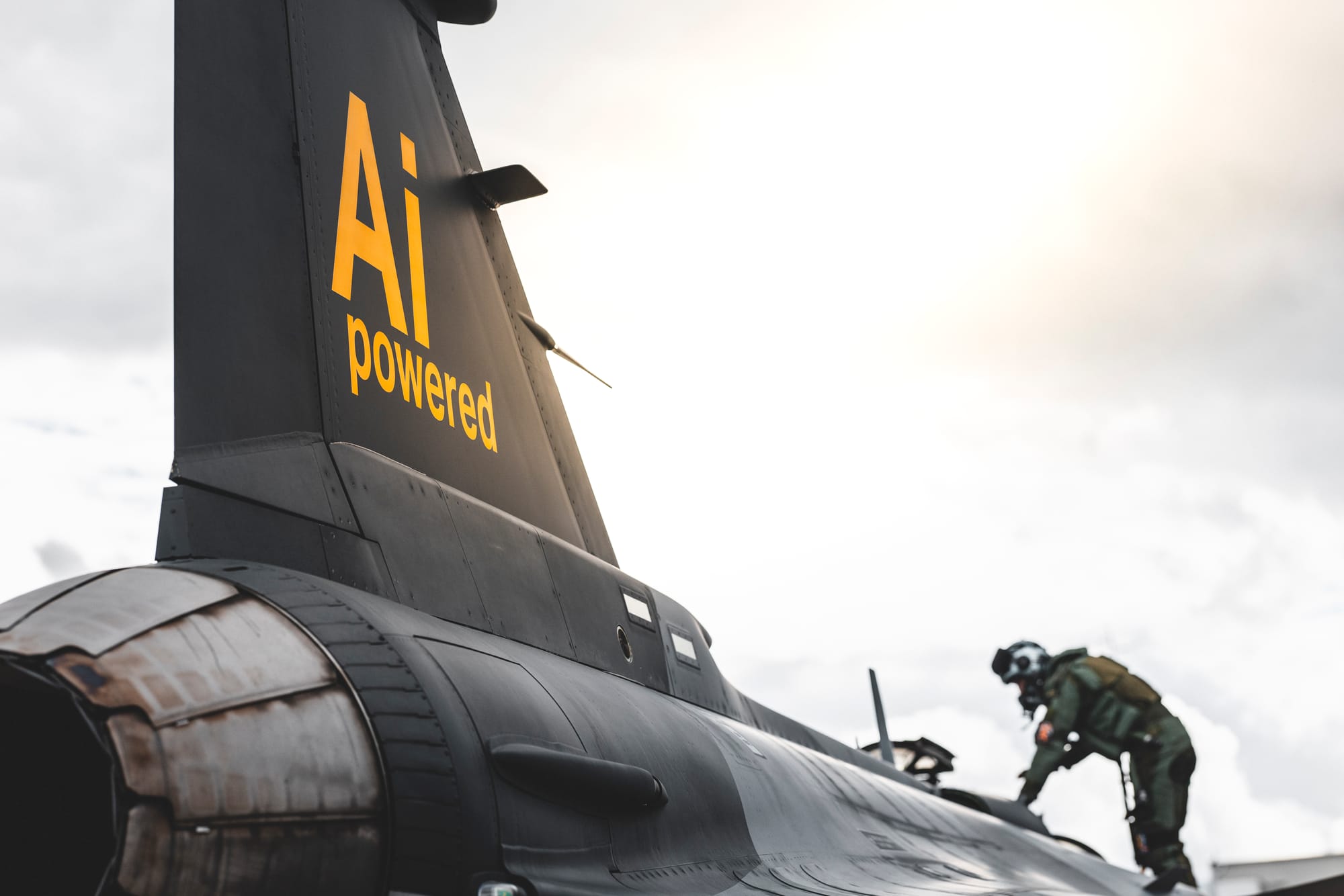
One alternative under consideration is the Gripen E, developed by Swedish manufacturer Saab. Unlike the F-35, which places greater emphasis on stealth, the Gripen is designed for rapid maintenance and operations from smaller airfields. Its advanced radar and electronic warfare systems allow it to detect and engage threats, while requiring less extensive ground support.
The Swedish proposal also includes potential production in Canada. Saab has announced partnerships with Canadian aerospace companies IMP, Magellan Aerospace and CAE, covering aircraft assembly, manufacturing, training and maintenance. These arrangements would allow Canada to develop domestic production capabilities while reducing its reliance on a single international supplier. No Gripen purchase agreement has been signed.
Canada’s NORAD modernisation programme also allocates C$6.38 billion to strengthening air-defence capabilities. The funding includes advanced air-to-air missiles designed to engage threats at short, medium and long ranges.
Northern Military Infrastructure
To support its expanding military capabilities, Canada is also upgrading its northern military infrastructure. The investments focus on existing military airfields and the facilities needed to operate aircraft, maintain equipment and support personnel across the Arctic.
In March 2026, the government announced C$32 billion for upgrades to four military operating locations at Inuvik, Yellowknife, Iqaluit and Goose Bay. The investment covers runways, aircraft hangars, fuel and ammunition storage, communications equipment and accommodation for military personnel.
To support operations across the wider region, Canada is developing a network of Northern Operational Support Hubs. The separate C$2.67 billion programme includes facilities at several existing military locations, extending to Whitehorse and Resolute, with smaller sites planned at Cambridge Bay and Rankin Inlet.
These hubs will provide equipment, maintenance and supplies closer to where military forces operate, reducing the need to transport essential resources from southern Canada.
Transport and aerial refuelling are another part of Canada’s military expansion. The government is acquiring nine CC-330 Husky aircraft from European manufacturer Airbus to transport personnel and equipment over long distances and refuel fighter aircraft during flight.
The new aircraft will allow Canada to move military resources between operating locations and extend the range of its fighter fleet without requiring aircraft to land for refuelling.
Maritime Capabilities
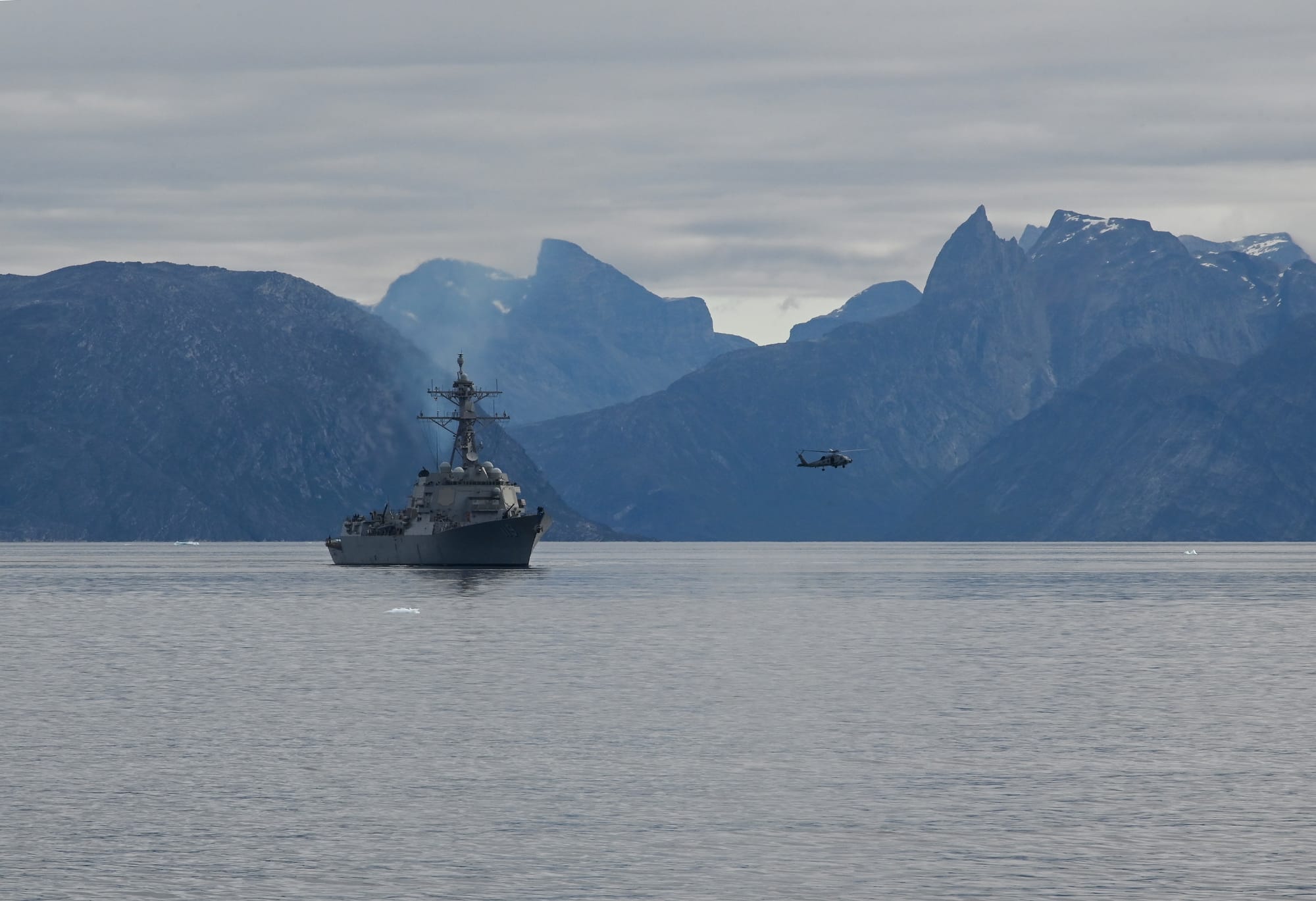
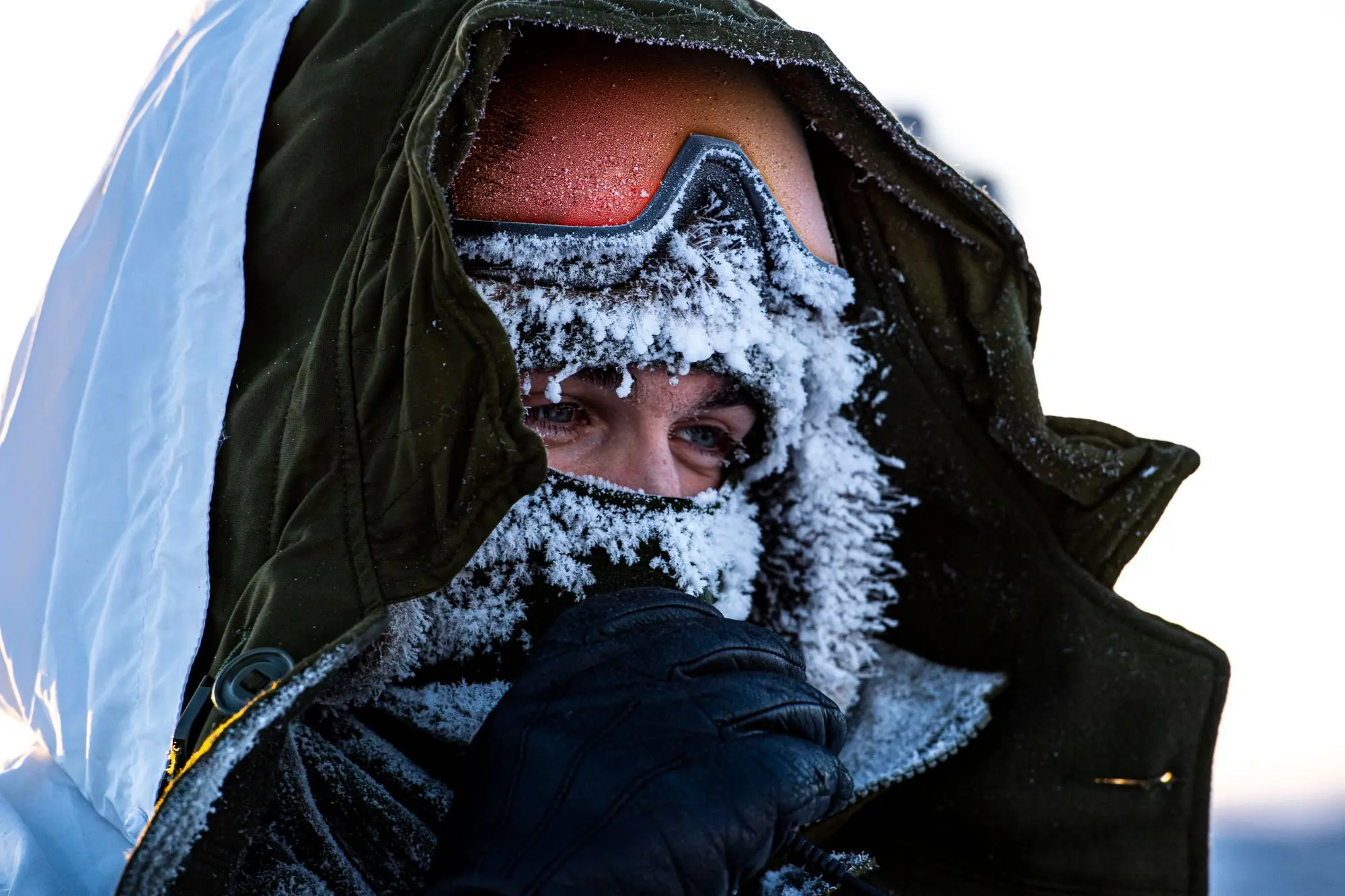
Canada’s military expansion extends to its northern waters, where the Royal Canadian Navy is increasing its ability to patrol the Arctic. Much of the region is covered by sea ice for part of the year, limiting access for conventional naval vessels.
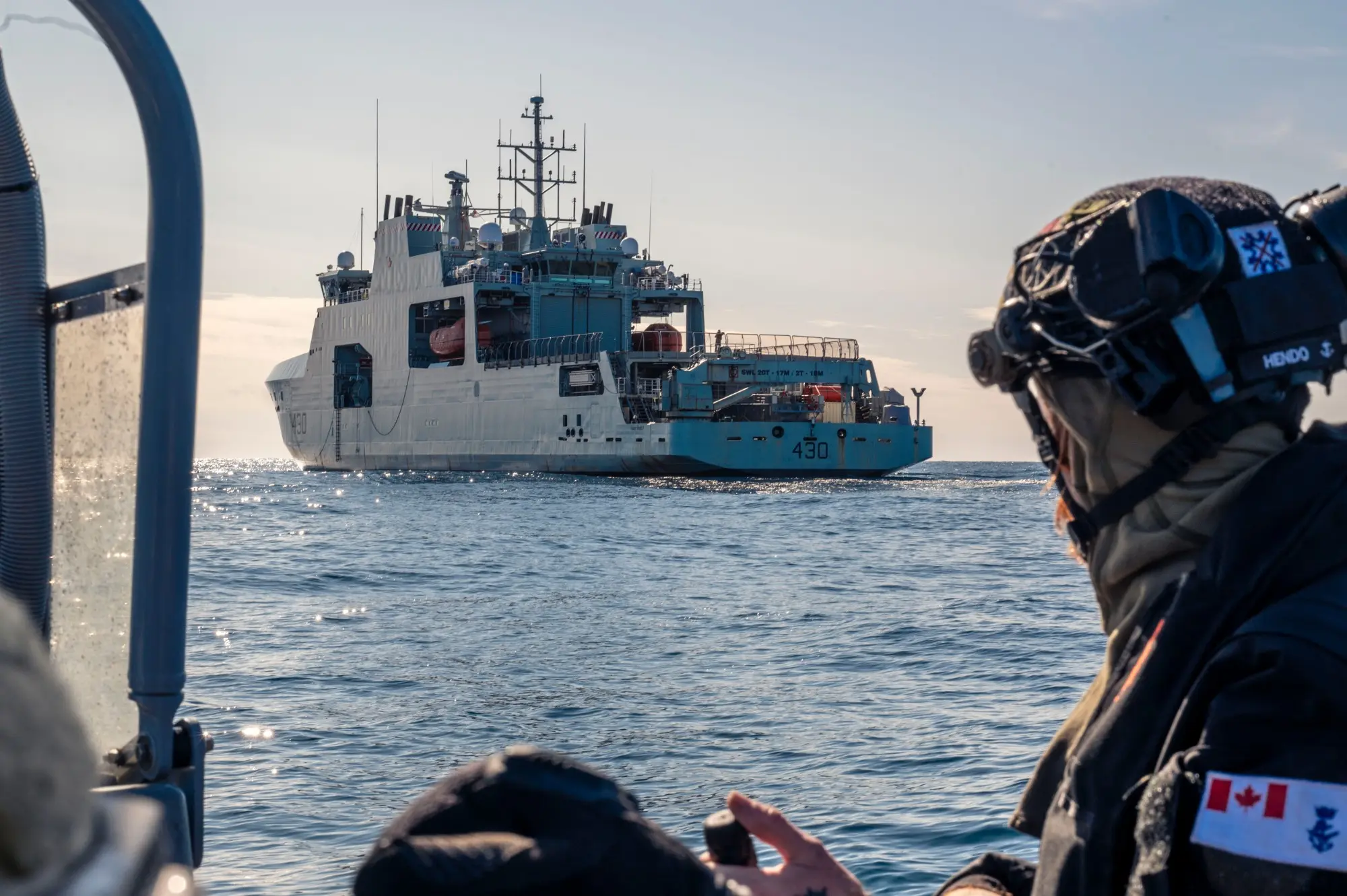
To operate in these conditions, Canada developed the Harry DeWolf-class Arctic and Offshore Patrol Ships. The vessels are designed to navigate through first-year sea ice and conduct patrols in areas that are difficult for conventional warships to reach.
The ships can monitor maritime activity, transport personnel and equipment, and support search-and-rescue operations. Their design includes space for helicopters, smaller boats and vehicles, allowing military forces to operate both at sea and along remote coastlines.
Under a C$4.98 billion programme, Canadian shipbuilder Irving Shipbuilding constructed six vessels at its Halifax shipyard. All six were delivered to the Royal Canadian Navy between 2020 and 2025, with the fleet reaching full operational capability in October 2026.
The ships are now part of Canada’s operational naval fleet, extending its ability to conduct patrols and maintain a military presence in Arctic waters.
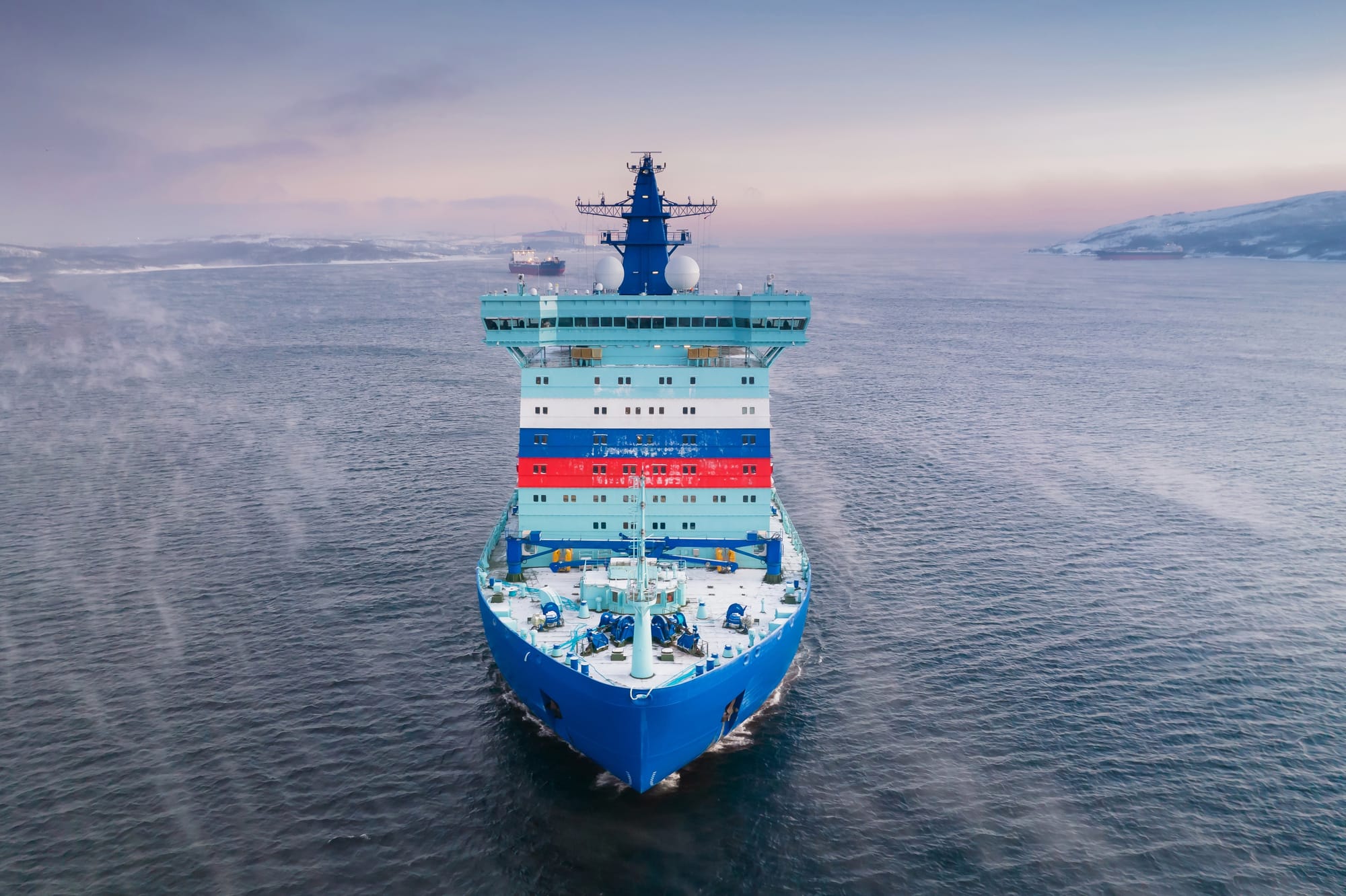
Canada is also expanding the Coast Guard’s ability to operate in ice-covered waters. In August 2026, the government reached an agreement with Chantier Davie to build six new icebreakers, in addition to a separate polar icebreaker already under construction. The vessels will support navigation, resupply and search-and-rescue operations across northern waters.
Canada is also preparing the next stage of its naval fleet. Construction is underway on the first three River-class destroyers, with an estimated programme cost of C$22.2 billion.
In July 2026, Canada selected Germany’s Thyssenkrupp Marine Systems as its preferred supplier for up to 12 new submarines capable of operating beneath Arctic ice. The purchase remains under negotiation.
A further C$2.1 billion over twenty years has been allocated for specialised maritime sensors to detect and track underwater threats, including submarines. The equipment can be deployed from Arctic patrol ships to improve surveillance of Canada’s northern waters.
Other Defence and Security Investments
Beyond aircraft and ships, Canada is expanding its ground capabilities. An investment of nearly C$2 billion will provide 190 additional Armoured Combat Support Vehicles, increasing the planned fleet from 360 to 550. The vehicles are to be designed and assembled in Canada by General Dynamics Land Systems–Canada at its factory in London, Ontario.
The government is also developing and acquiring new unmanned systems. Its Defence Drone Initiative covers military drones and technology to detect or counter hostile drones. Budget 2026 proposes C$2.3 billion over five years for the programme, with some of the money coming from funding already set aside.
Further programmes focus on emerging technology and domestic industry. Research hubs are bringing together companies, universities and defence organisations to develop autonomous systems and quantum technologies. Other initiatives support satellite communications research, domestic launch capabilities and financing for Canadian defence and technology companies.
In the North, proposed transport projects such as the Mackenzie Valley Highway and Grays Bay Road and Port could improve access for remote communities while offering additional routes to move personnel, equipment and supplies.
Canada is also proposing C$6 billion over ten years to expand its civilian intelligence service, CSIS, including work against espionage and foreign interference. While separate from military procurement, the proposal forms part of the country’s wider security expansion.
From Investment to Operational Capability
Canada’s defence modernisation is already moving beyond government plans. Several major contracts have been awarded, new aircraft and naval vessels have been delivered, and work on surveillance systems and military infrastructure is underway. Other projects, including the proposed GlobalEye acquisition and the wider fighter programme, remain under negotiation or review.
Together, these investments are intended to strengthen Canada’s ability to monitor its territory, respond to potential threats and support military operations across the Arctic. New radar systems will extend surveillance, while improved communications, aircraft and military infrastructure will expand the capabilities available to its armed forces.
The programme also reflects Canada’s efforts to strengthen its domestic defence industry. Partnerships with international manufacturers are creating opportunities for Canadian companies to participate in aircraft production, surveillance technology and military support services. However, major equipment and technologies will continue to come from foreign suppliers, particularly the United States.
Canada’s defence relationship with the United States will therefore remain central through NORAD, even as the country seeks greater control over its military procurement and industrial capabilities. How far these investments strengthen Canada’s defence capabilities and domestic industry will depend on the projects still being developed and the procurement decisions yet to be made.