Russia and Ukraine — Where the Peace Talks Stand
Yours Magazine · 27 Oct 2026 · 8 min read
Discussions about a possible end to the war between Russia and Ukraine have gained renewed attention, with diplomatic efforts involving Ukraine, European governments, the United States and Russia continuing.
Both Russia and Ukraine have expressed their willingness to negotiate an end to the war. However, their positions remain different on the conditions for reaching an agreement, particularly over territory, future security arrangements and when the fighting should stop.
The latest diplomatic efforts have reopened the question of how close the two sides are to a settlement. While both are prepared to discuss ending the war, the central issue remains what each side is willing to accept and where their positions still differ.
From Oslo to St. Petersburg — The Current Talks
On October 20, Ukrainian President Volodymyr Zelenskyy met European and US representatives in Oslo to discuss the next steps towards a possible peace agreement.
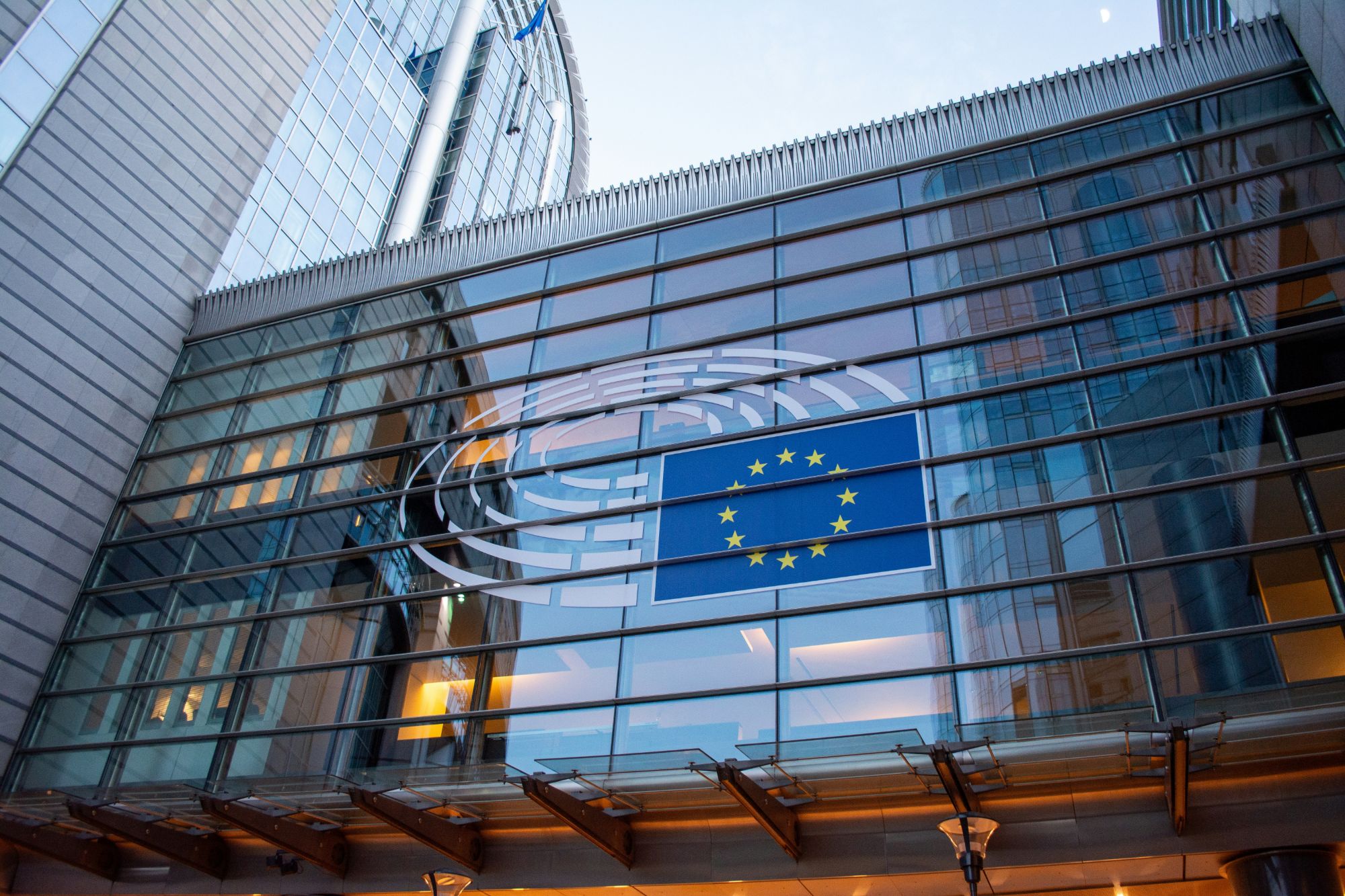
The discussions were hosted by Norway and Finland, with Ukraine requesting the participation of the American envoys. Norwegian Prime Minister Jonas Gahr Støre and Finnish President Alexander Stubb met with Zelenskyy. On the American side, US envoy Steve Witkoff attended in person, while Jared Kushner participated remotely. Later that day, national security advisers from Germany, Italy and the United Kingdom, along with representatives of the European Union and NATO, joined the discussions at a working dinner.
The talks covered possible arrangements for Ukraine’s security, territorial questions, sanctions, postwar reconstruction and the wider European security system.
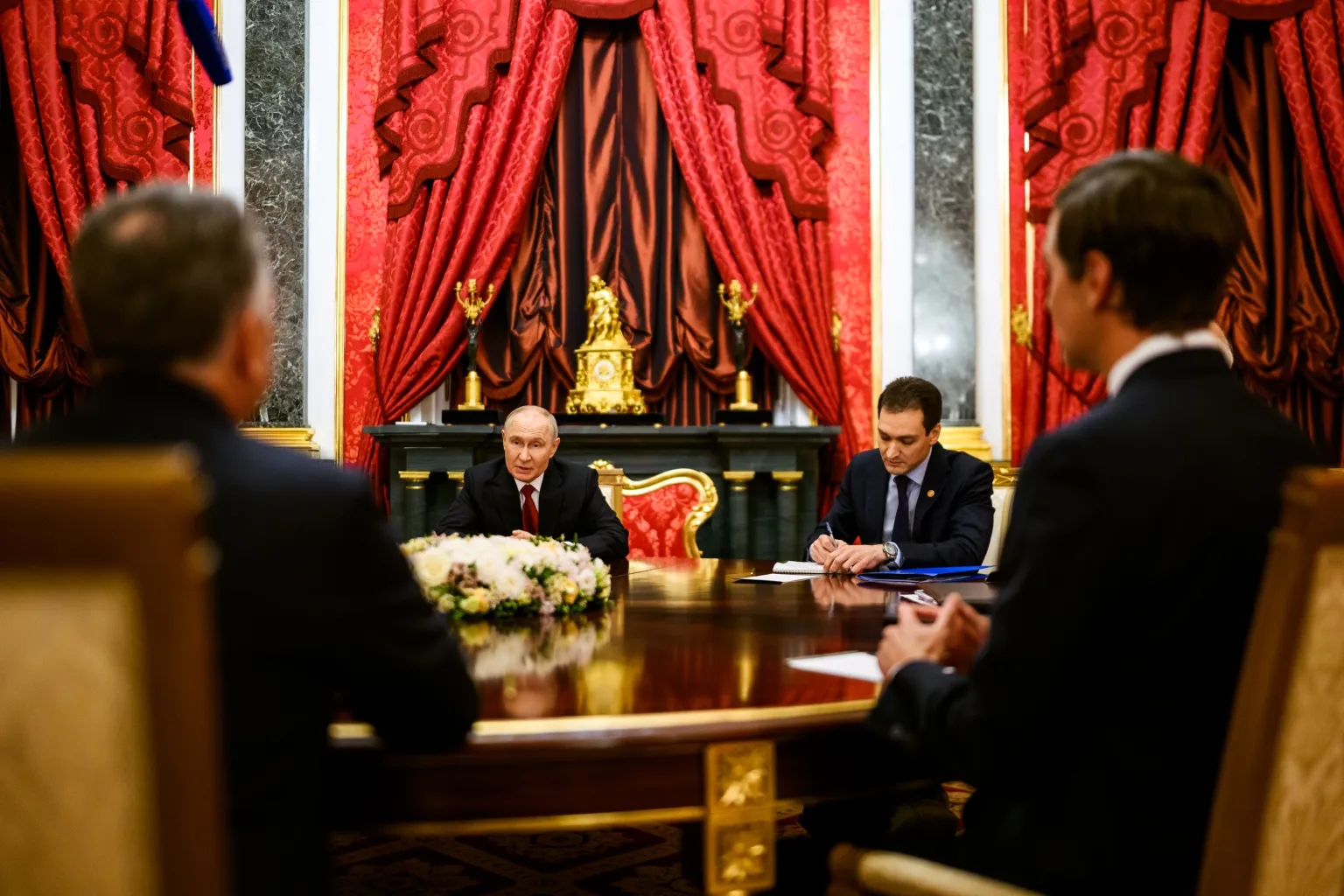
The following day, Witkoff travelled to St. Petersburg to present the proposals to Russian President Vladimir Putin. Moscow did not accept the proposals in their current form but described them as a step in the right direction. Putin agreed to resume negotiations with Ukraine and the United States, although no agreement was reached on the proposed settlement.
On October 27, Stubb and Støre also held a telephone call with Putin from Helsinki. The call followed the Oslo meeting and was arranged in consultation with Ukraine. The two leaders discussed future negotiations, the need to reduce the fighting and the wider security situation in Northern Europe. They emphasised their continued support for Ukraine while encouraging the resumption of negotiations.
Earlier negotiations between Russia, Ukraine and the United States took place in Abu Dhabi and Geneva in January and February 2026, resulting in prisoner exchanges but no wider settlement. Further technical-level talks are now being planned for November, potentially in Abu Dhabi, to examine the remaining differences between the parties.
Ukraine’s Position
Ukraine has expressed its willingness to negotiate a general ceasefire, even if a wider political settlement cannot be reached immediately. Zelenskyy has also indicated that Kyiv would consider smaller initial agreements covering energy infrastructure, the Black Sea and humanitarian matters.
On territory, Ukraine is prepared to discuss stopping the fighting along the current front line.
This would leave Russian forces in control of the Ukrainian territory they presently occupy, but without Ukraine formally recognising these areas as Russian territory. Their final status would remain unresolved and subject to further negotiations.
Zelenskyy has maintained that decisions concerning territory should ultimately be discussed by national leaders.
For Ukraine, the question of what happens after a ceasefire is equally important. Kyiv wants security guarantees that would help prevent another Russian invasion and ensure that Ukraine can defend itself if the fighting resumes.
On October 23, Zelenskyy said these guarantees should include continued air defence, financial support to maintain a strong Ukrainian military for at least ten years, and clear commitments on how Ukraine’s partners would respond to another Russian attack.
Ukraine continues to favour NATO membership while also discussing other security arrangements with the United States and European countries. Zelenskyy has also identified Ukraine’s accession to the European Union as an important part of a lasting peace.
The precise guarantees and the commitments that individual countries would accept have not yet been agreed.
Russia’s Position
Russia has maintained its principal conditions for ending the war, which Putin outlined in June 2024. The Kremlin reaffirmed in June 2026 that these demands remained unchanged.
One of the central demands concerns territory. Ukraine would have to withdraw its forces from the entire administrative regions of Donetsk, Luhansk, Zaporizhzhia and Kherson, including areas still under Ukrainian control. Moscow also demands formal recognition of these four regions, together with Crimea, as part of the Russian Federation.
The conditions also extend to Ukraine’s future security arrangements. These include abandoning NATO membership, adopting a neutral, non-aligned and non-nuclear status, and accepting restrictions on its military capabilities. Russia has additionally called for protections for Russian-speaking citizens and Russian cultural and religious institutions, as well as the removal of Western economic sanctions.
On October 22, following the meeting with Witkoff, Putin reiterated that negotiations should lead to a lasting peace agreement, including security guarantees for both Russia and Ukraine and arrangements for the wider European security system, rather than a temporary ceasefire.
Despite agreeing to resume negotiations, significant differences remain between Moscow and Kyiv over the conditions for ending the war.
Where the Positions Stand
The largest immediate difference concerns territory. Russia’s demands extend beyond the areas its forces currently occupy.
According to the Institute for the Study of War (ISW), substantial parts of three regions demanded by Russia remain under Ukrainian control.
| Region | Ukrainian control | Russian control |
|---|---|---|
| Donetsk | 20.5% | 79.5% |
| Luhansk | Almost no territory | Almost all territory |
| Zaporizhzhia | 24.5% | 75.5% |
| Kherson | 30.0% | 70.0% |
Source: Institute for the Study of War (ISW), October 23, 2026. Figures are approximate; Luhansk is described qualitatively.
Although these remaining percentages may appear relatively small, the territory includes important cities, infrastructure and established defensive positions.
In Donetsk, Ukraine still controls Kramatorsk and Sloviansk. These cities form part of a fortified defensive line that Ukraine has developed over several years. They also serve as important logistical centres supporting Ukrainian forces in the region.
Further south, Ukraine retains Zaporizhzhia, a major industrial centre and the administrative capital of the region. In Kherson, Ukrainian forces control the regional capital and territory on the western bank of the Dnipro River. The river forms an important geographical barrier between the opposing forces in southern Ukraine.
Under Ukraine’s proposed ceasefire, these cities and their surrounding territory would remain under Ukrainian control. Russia’s stated conditions would require Ukrainian forces to withdraw from them, even though Russian forces have not captured them.
The difference therefore concerns more than the legal recognition of territory Russia already occupies. It also involves additional cities, defensive positions and economically important areas that remain under Ukrainian control.
The disagreement also goes beyond where the fighting should stop. Both Russia and Ukraine have called for lasting security arrangements, but they differ over what those arrangements should allow and how they would be implemented.
For Russia, NATO’s expansion into Eastern Europe has long been a security concern. The alliance was established during the Cold War partly to counter the Soviet Union, and Moscow argues that Western military forces moving closer to its borders threaten Russian security.
Geography has also shaped Russian strategic thinking. Much of western Russia lies along the broad East European Plain, which offers relatively few natural barriers against an advancing army. Historically, Russia has placed importance on maintaining strategic depth between its territory and other major European powers.
For many Central and Eastern European countries, however, the same historical experience led to a different approach. Following the collapse of the Soviet Union, countries such as Poland and the Baltic states sought NATO membership to protect their independence and reduce the risk of future Russian interference.
Ukraine’s concerns have become particularly important following Russia’s annexation of Crimea in 2014 and its full-scale invasion in 2022. Kyiv regards a strong military and Western security guarantees as necessary to prevent another attack.
This leaves a difficult question for the negotiations. Even if Ukraine remains outside NATO, the two sides would still need to agree on how much military support Ukraine could receive, what Western countries would be committed to doing and what restrictions, if any, would apply to Western military involvement.
The same security arrangements that Ukraine considers necessary for its protection are among those Russia wants to restrict.
Both countries have called for a lasting settlement, but they differ over how to reach it. Ukraine is prepared to stop the fighting along the current front line while negotiations over territory and security continue. Russia wants these questions addressed as part of a final agreement rather than leaving them unresolved after a ceasefire.
The renewed diplomatic talks have brought the parties back towards negotiations, but the territorial and security differences show how much remains unresolved before a wider agreement can be reached.
What Comes Next
Further negotiations between Russia, Ukraine and the United States are expected in November, potentially in Abu Dhabi. The discussions would provide an opportunity to examine the remaining differences and determine whether progress towards an agreement is possible.
Limited arrangements, including ceasefires covering specific areas or humanitarian measures, could offer opportunities for initial agreements. However, the larger questions concerning territory and Ukraine’s future security would still need to be resolved.
A meeting between Zelenskyy, Putin and Trump remains a possibility if sufficient progress is made, although no such meeting has been agreed.
The diplomatic process is continuing, with European governments involved in preparing proposals and the United States serving as the main intermediary with Russia. Whether the next round of negotiations can bring the two sides closer to a settlement remains uncertain.