Russia’s DYuSSh System: How State Sports Schools Train Combat Champions
Yours Magazine · 10 Oct 2025 · 4 min read
Russia’s approach to athlete development is not built on private academies or corporate sponsorships.
It is built on a state-run network of youth sports schools, officially called DYuSSh (Detso-Yunosheskie Sportivnye Shkoly — Children and Youth Sports Schools).
These schools form the foundation of organized training across the country, operating under the supervision of the Ministry of Sport and regional sport departments.
The logic is simple: the state provides access, structure, and continuity from childhood to elite performance.
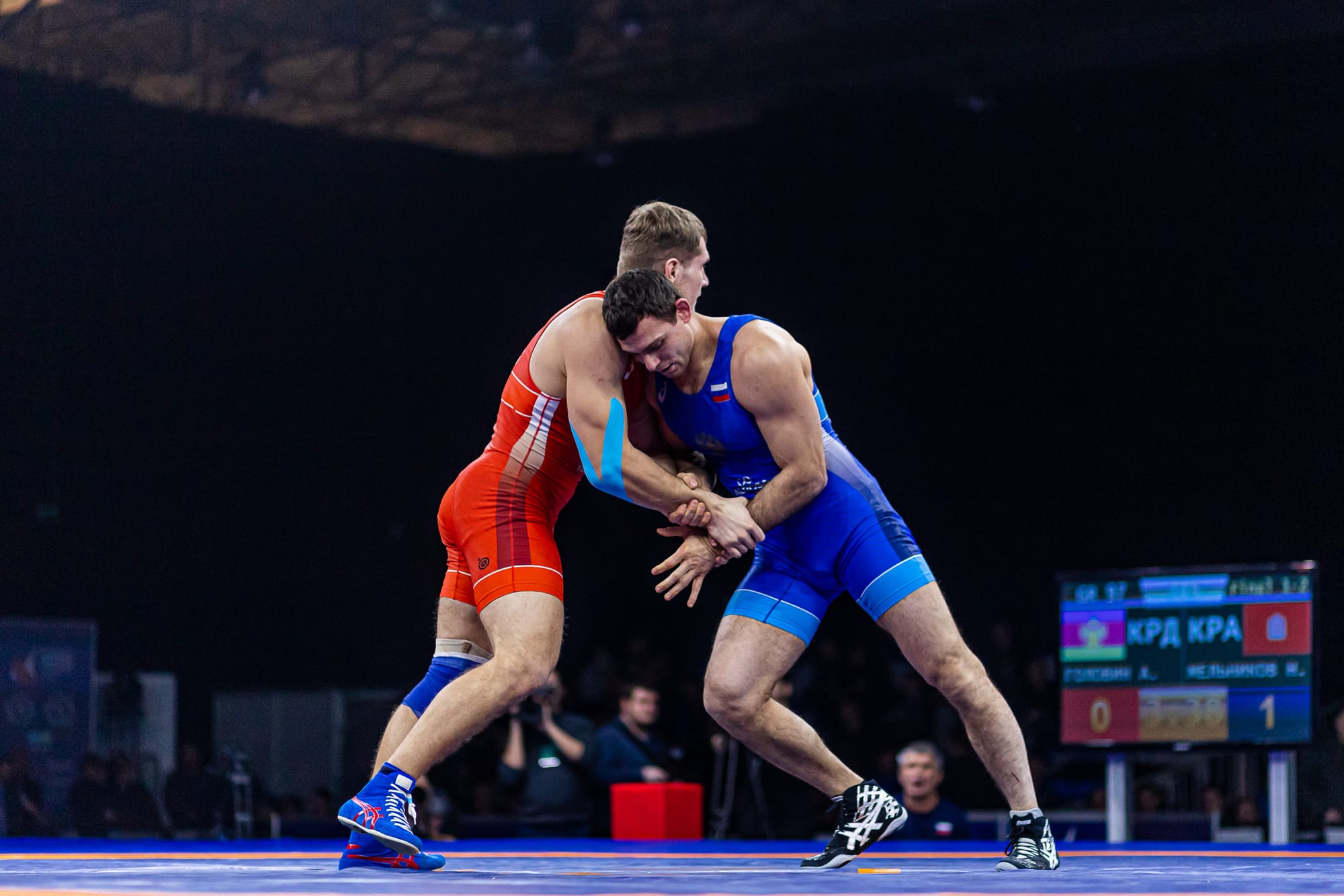
In combat sports — boxing, wrestling, judo, sambo — this logic has produced generations of world champions by embedding discipline and repetition into the national development model.
Origins and Framework
The DYuSSh system is a continuation of the Soviet model of physical culture — a philosophy that treated sport not as recreation, but as organized education.
The current framework, formalized by the Ministry of Sport’s 2014 and 2020 regulations, follows the same administrative pattern: central supervision, regional implementation, and federation-based content.
Each level of the system serves a defined function:
- DYuSSh — entry-level programs teaching physical literacy, coordination, and basic technique.
- SDYuShOR — specialized Olympic-reserve schools preparing promising youth for higher training loads.
- UOR — Olympic-reserve training centers that merge education with elite-level preparation.
- Voluntary Sports Societies (CSKA, Dynamo, Spartak) — historically linked to defense and civic institutions, offering competitive environments for advanced athletes.
This structure ensures a single, continuous pathway — from regional entry to international competition.
Training Philosophy
Training within this system follows the federation standard, not the individual coach’s improvisation.
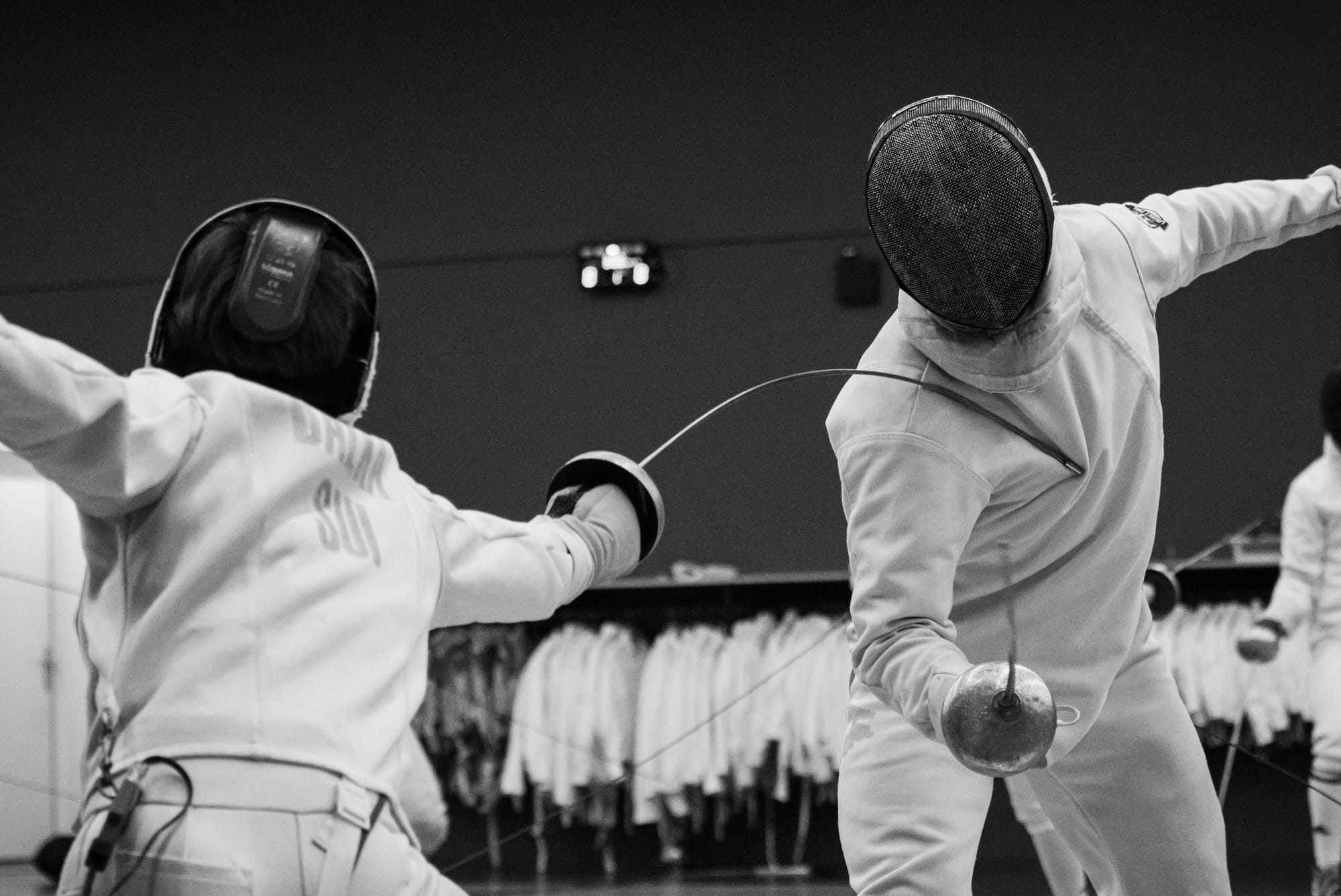
Each sport — boxing, wrestling, judo, sambo, fencing — operates under an approved methodological program, reviewed annually by the federations and the Ministry of Sport.
The model combines several structured phases:
- General Physical Preparation (GPP) — building endurance, mobility, and basic strength.
- Special Physical Preparation (SPP) — sport-specific power and coordination.
- Technical and Tactical Work — learning movement patterns, distance control, and situational execution.
- Theory and Safety — studying rules, scoring systems, and injury prevention.
- Sports Medicine and Recovery — integrating rest cycles and medical checks into every training stage.
In combat sports, this structure prioritizes consistency over experimentation.
Every repetition, from stance to punch or takedown, is logged, tested, and repeated under controlled fatigue.
The goal is not to produce explosive athletes — but complete systems of movement capable of sustaining precision through entire bouts.
Progression and Evaluation
Progression through the system is based on attestation, a formal evaluation process defined by the Ministry.
Athletes are tested on physical readiness, technical execution, and competition results.
Regional commissions record and verify these results, ensuring every athlete’s development follows measurable, documented standards.
All official data feeds into Russia’s Unified Sports Classification System, which defines national ranks:
- III–I Category for local and regional levels,
- Candidate for Master of Sport (CMS) for national-level performance,
- Master of Sport (MS) and International Class (MSMK) for continental and world-level results.
This classification creates uniform recognition across all disciplines — a boxer in Siberia is assessed by the same criteria as a wrestler in Moscow.
Coaches and Oversight
Coaches in the DYuSSh system are certified specialists, typically graduates of sport universities with degrees in physical education or sport science.
They work under municipal or regional contracts and must undergo periodic re-attestation.
Oversight is structured in three layers:
- Regional Departments — inspect training plans, facilities, and safety.
- National Federations — monitor technical standards and methodology.
- Ministry of Sport — supervises licensing, certification, and institutional reporting.
Every school must submit annual reports documenting enrollment, training loads, and competition participation.
This maintains alignment between regional schools and national policy — a key reason why the Russian system sustains coherence across thousands of institutions.
Integration of Education and Competition
DYuSSh programs typically run after academic hours.
At Olympic-reserve centers (UOR), education and sport merge into a single schedule — allowing students to pursue both formal schooling and elite training.
Graduates often continue to sport universities or transition into roles as coaches, referees, or administrators.
This educational integration ensures that the system not only develops athletes but also reproduces its own professional base — maintaining a steady cycle of qualified coaches and sport specialists.
Funding and Administration
Funding is largely public.
Regional budgets sustain local schools, while federal co-financing supports Olympic-reserve centers and national facilities.
Responsibilities are clearly divided:
- Federal Ministry — defines legal framework and certification rules.
- Regional Ministries — handle staffing, audits, and operations.
- National Federations — oversee methodology, calendars, and testing norms.
This structure allows for nationwide uniformity without removing local responsibility.
Statistical data collected by Rosstat under the Physical Culture and Sport program tracks participation and outcomes across all regions, ensuring that the system remains measurable and transparent.
Continuity and Role in Combat Sports
For combat disciplines, this centralized model remains one of Russia’s strongest advantages.
Boxing, wrestling, sambo, and judo operate within a single national framework — from children’s programs to Olympic camps.
Athletes learn from the same logic: balance before aggression, structure before power, repetition before speed.
It is this continuity that explains why Russian fighters often display not only conditioning, but system integrity — the ability to hold structure, rhythm, and focus under fatigue.
Behind that composure lies a system designed not around talent discovery, but around disciplined formation.